
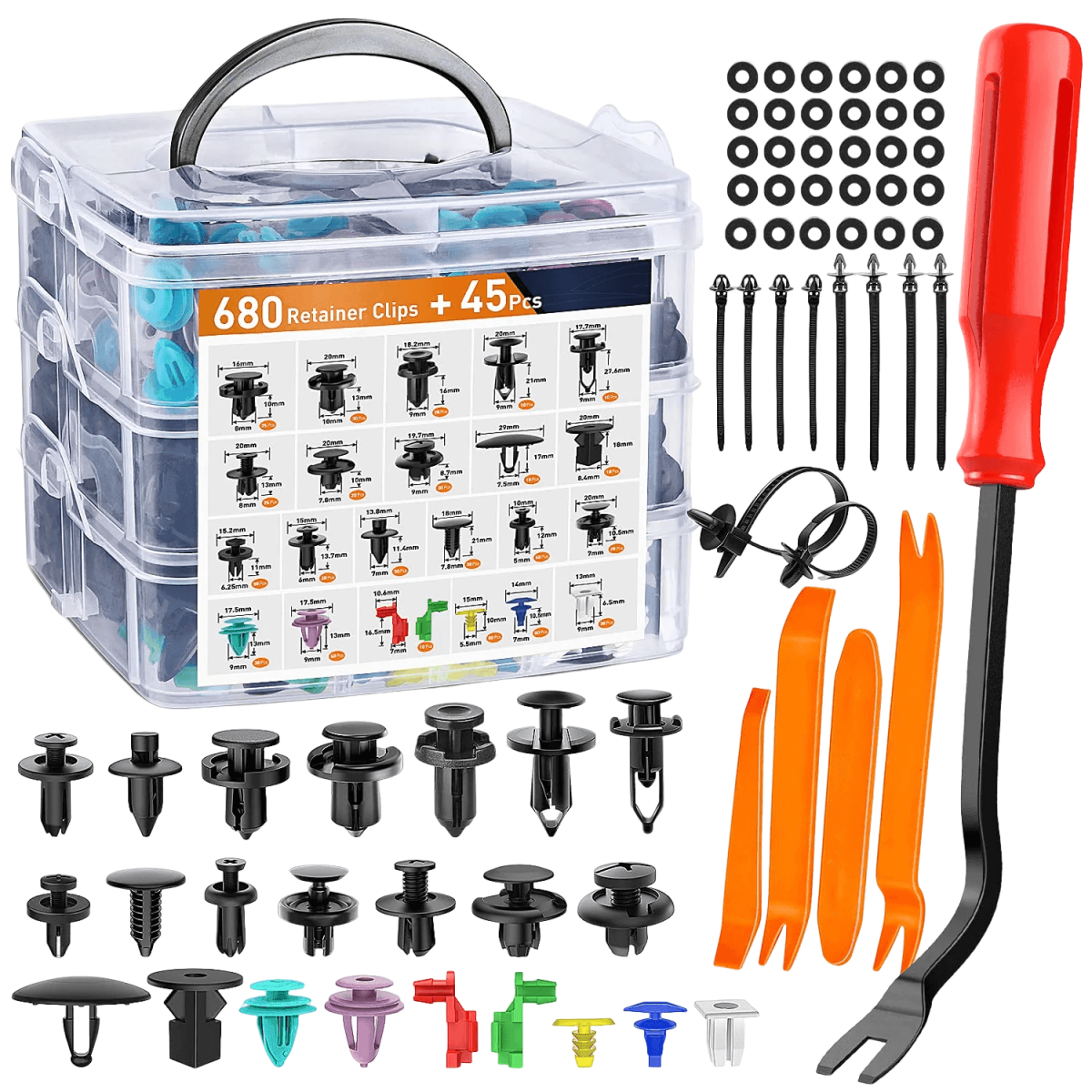
Auto Trim Clips Supplier: Precision Fastening for Modern Vehicle Design
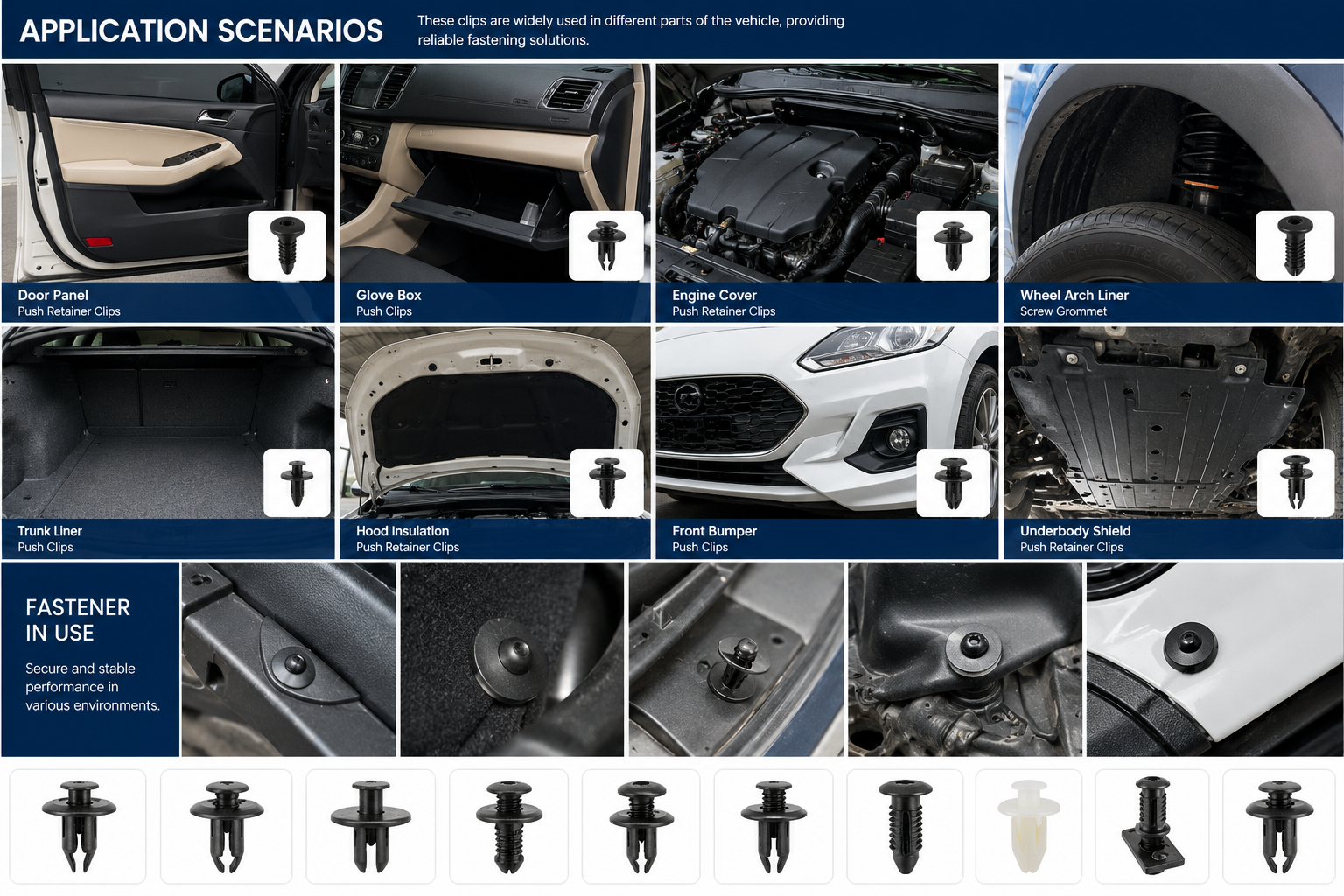
In automotive manufacturing, small components often define large outcomes. Auto trim clips—used in doors, panels, and interior trims—are crucial for both aesthetics and functionality. As a specialized auto trim clips supplier, QEEPEI focuses on delivering fastening solutions that balance strength, flexibility, and visual integrity for global automakers and aftermarket distributors.
Engineering Functionality Behind Every Connection
Trim clips must perform multiple roles simultaneously: hold panels securely, absorb vibration, and maintain tight tolerances during years of temperature fluctuation.
In modern assembly environments, these clips help manufacturers:
-
Achieve precise alignment of decorative trims and body panels.
-
Prevent rattling and detachment under vibration or impact.
-
Ensure clean surface transitions for premium visual appearance.
-
Reduce assembly line time through quick-fit installation mechanisms.
Unlike traditional push fasteners, QEEPEI’s engineered clips are designed for multi-surface compatibility, maintaining firm contact even on complex curvatures.
Materials and Testing Define Performance
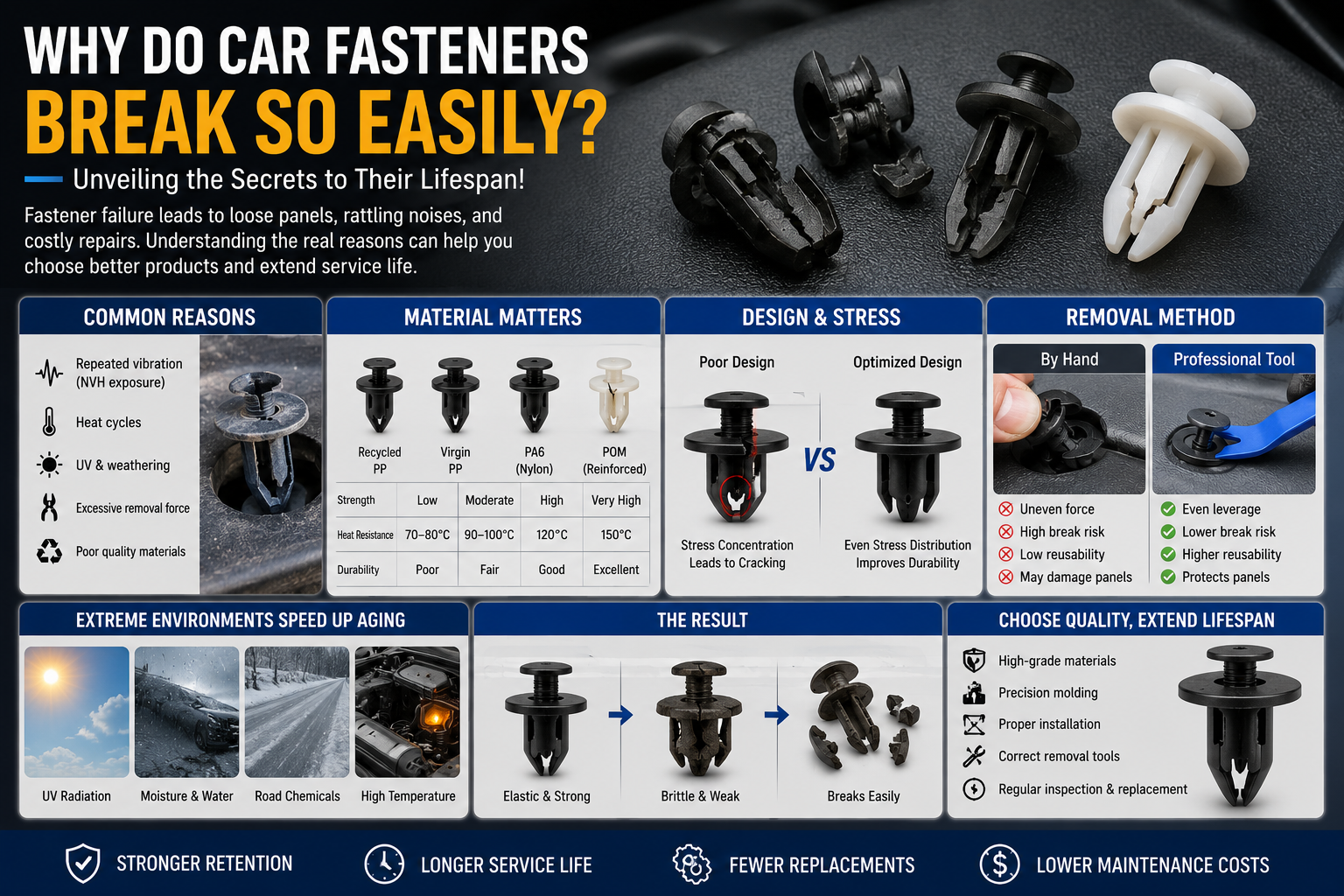
The reliability of trim clips depends on polymer selection, dimensional precision, and surface finish. Each batch undergoes mechanical, thermal, and endurance testing to verify compliance with OEM standards.
| Specification | Description | Buyer Benefit |
|---|---|---|
| Material | PA6, POM, or reinforced PP | Ensures durability and elasticity |
| Tolerance | ±0.02 mm | Guarantees consistent assembly performance |
| Heat Resistance | Up to 150°C | Suitable for exterior and engine-area applications |
| Pull-out Force | ≥ 25N | Prevents loosening during vibration |
| Certification | ISO/TS16949, RoHS | Meets automotive compliance standards |
This data-driven approach ensures long-term fastening integrity under varying environmental stresses.
Custom Design for Diverse Vehicle Models
Every car model presents unique fastening requirements.
The factory supports custom clip design based on CAD drawings or existing samples, allowing clients to:
-
Modify clip dimensions to match specific panel thickness.
-
Optimize hook geometry for controlled insertion force.
-
Adjust material composition for target tensile strength.
-
Integrate branding or part codes into molds for traceability.
Through flexible tooling and rapid prototyping, new mold development is typically completed within 7–10 working days, helping buyers accelerate product launches.
Streamlining Production Through Smart Fastener Design
Auto manufacturers prioritize both speed and consistency. QEEPEI’s clip systems are optimized for automated assembly:
-
One-step snap fitting reduces human error and tool usage.
-
Uniform retention force ensures stable fit across large batches.
-
Low friction coating improves assembly speed and prevents surface scratches.
-
Color coding aids quick identification during production.
These small innovations minimize production downtime while enhancing end-user quality perception—a key factor in competitive OEM supply chains.
Supply Reliability and Global Distribution
For international distributors and factories, stability in quality and supply chain is critical.
QEEPEI maintains:
-
3,000+ existing clip models covering major vehicle brands.
-
Flexible order quantities suitable for trial and mass procurement.
-
Comprehensive QC from mold calibration to packaging inspection.
-
DDP, CIF, and FOB shipping options for global buyers.
Each shipment includes batch traceability documentation, ensuring transparency and compliance with global supply standards.
Real-World Impact: Reducing NVH and Assembly Cost
Trim clips contribute directly to NVH (Noise, Vibration, and Harshness) control—an often-overlooked factor in perceived vehicle quality.
By maintaining consistent clamping pressure, QEEPEI’s clips help:
-
Lower cabin noise by minimizing panel resonance.
-
Prevent material fatigue and deformation.
-
Reduce warranty claims associated with loose trim parts.
-
Simplify post-sale maintenance for repair centers.
This combination of mechanical reliability and acoustic optimization is why modern automakers increasingly rely on high-performance fastening systems rather than generic alternatives.
Why Precision in Trim Clips Matters
| Feature | Technical Relevance | Customer Value |
|---|---|---|
| High Elastic Retention | Ensures stable hold under temperature change | Extends component lifespan |
| Consistent Insertion Force | Reduces assembly variance | Improves efficiency |
| Surface-Protective Design | Prevents paint or panel damage | Enhances aesthetics |
| Custom Material Blends | Matches environment-specific needs | Supports OEM diversity |
| Reliable Supply Network | Ensures on-time global delivery | Stabilizes procurement planning |
Frequently Asked Questions
Q1: Can trim clips be reused after disassembly?
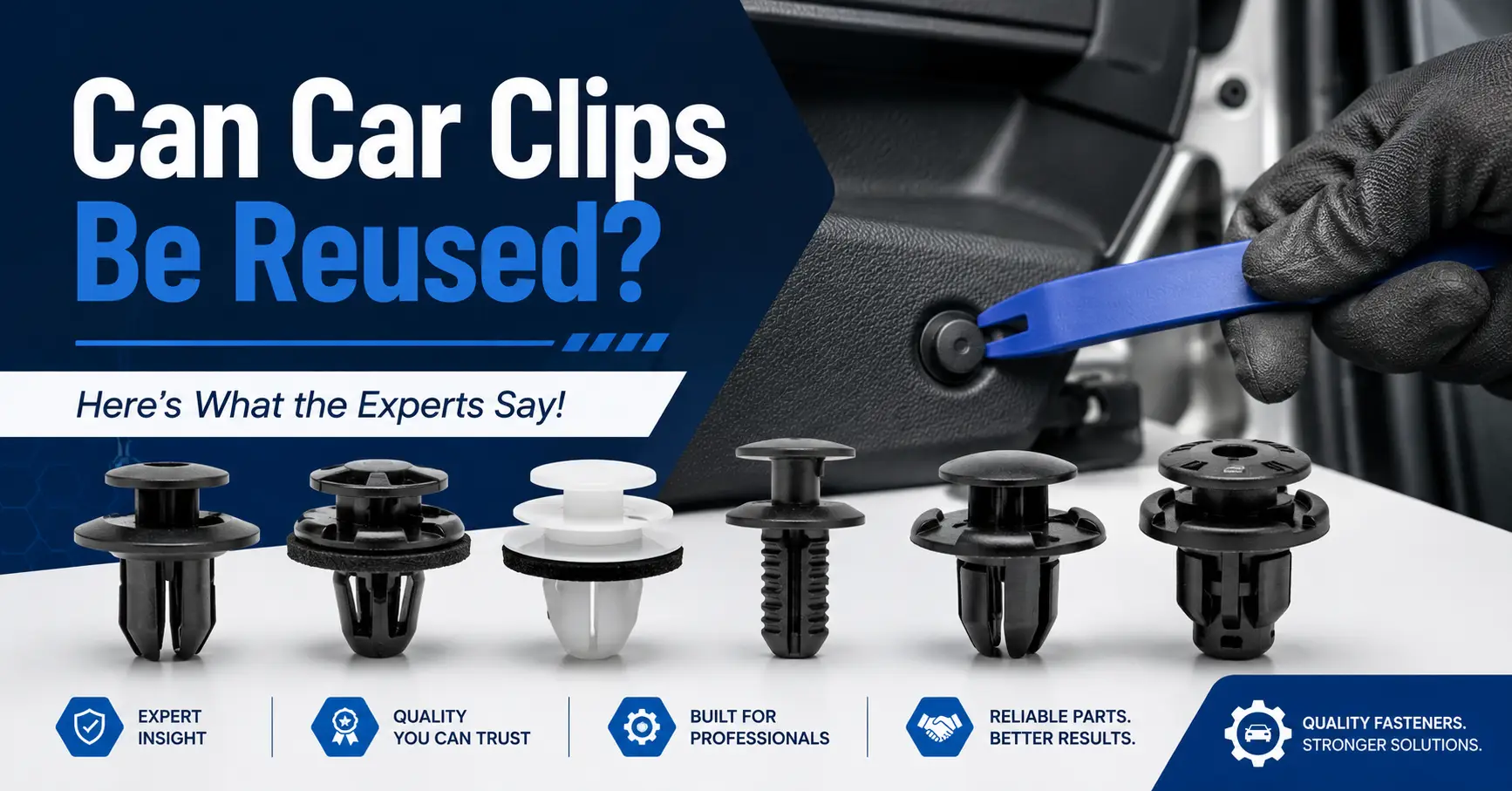
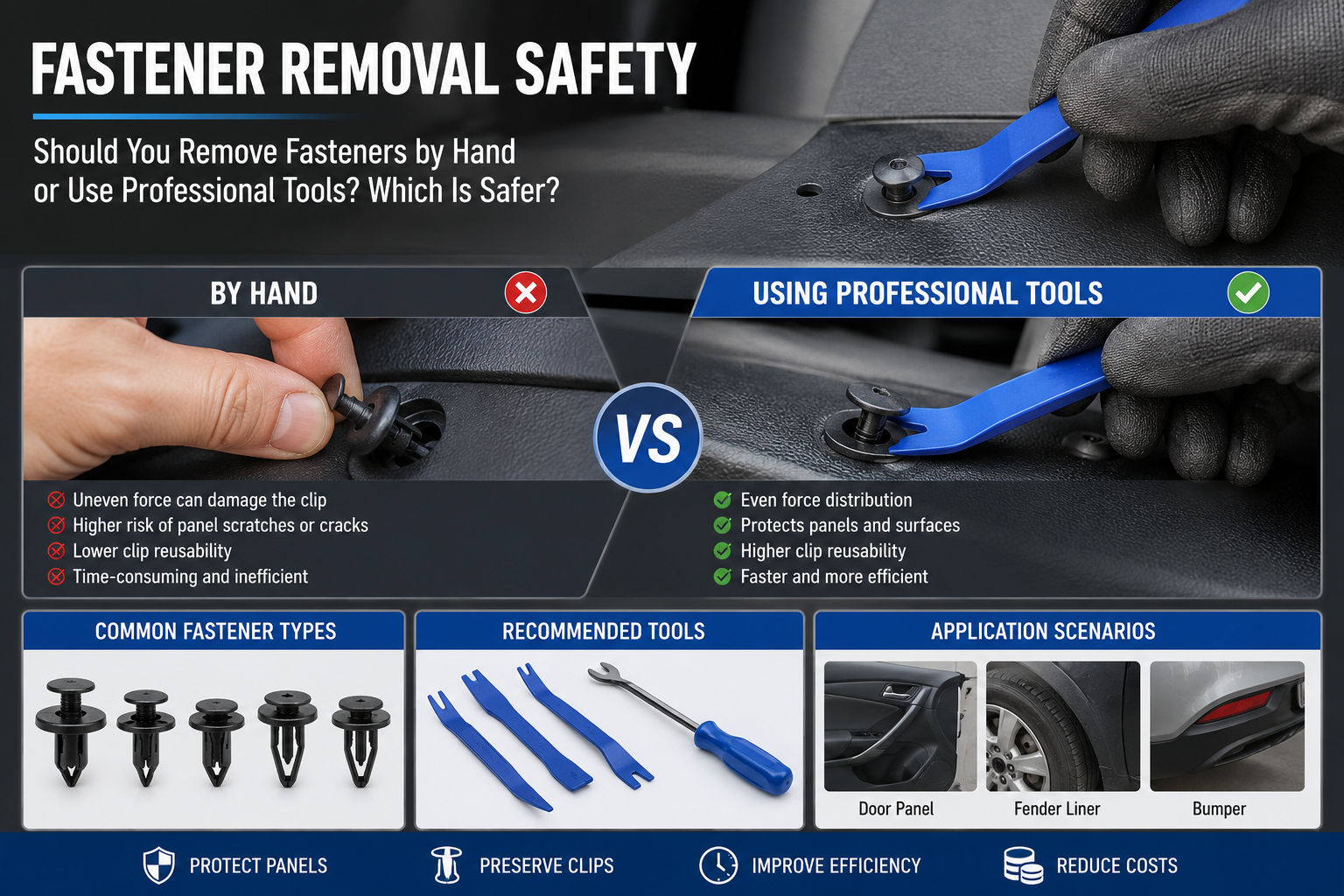
Some models feature re-lockable designs that allow reuse without loss of tension. Others are designed for single installation to ensure consistent fit.
Q2: What is the minimum order quantity?
For standard clips, the MOQ starts from 10,000 pieces; custom designs depend on mold complexity.
Q3: How can I identify the right clip for my vehicle?
Provide OEM part numbers or photos; the engineering team can match or redesign equivalents quickly.
Q4: Are these clips suitable for both interior and exterior use?
Yes, with material adjustments for UV and heat resistance, clips can function in both environments.
Precision Fastening that Elevates Every Vehicle
Auto trim clips may be small, but their precision defines long-term reliability and aesthetic appeal.
By combining design innovation, tested materials, and stable logistics, QEEPEI provides fastening solutions that enhance both vehicle performance and manufacturing efficiency.
Explore the complete catalog on the Homepage.
For engineering collaboration or bulk purchasing, contact us here.