
Discovering the Role of Industrial Supplier Plastic Rivet in Modern Manufacturing
In the fast-paced world of industrial manufacturing, the Industrial Supplier plastic rivet stands out as a fundamental component that ensures durability and efficiency in assembly processes. These versatile fasteners are designed to provide secure, lightweight connections without the corrosion issues associated with metal alternatives. Sourced from reliable industrial suppliers, plastic rivets are increasingly favored in sectors like automotive and electronics for their ease of installation and cost-effectiveness. As manufacturing evolves, the demand for high-quality Industrial Supplier plastic rivet options continues to grow, supporting innovations that drive productivity forward.
The Advantages of Plastic Rivets in Automotive Assembly Lines
When it comes to automotive manufacturing, the integration of advanced technology with essential hardware like the Industrial Supplier plastic rivet is transformative. Picture a state-of-the-art assembly line where robotic arms, with their pinpoint precision, secure panels and components on a sleek vehicle. These robots rely on plastic rivets to hold everything in place efficiently, minimizing downtime and enhancing overall accuracy. Unlike traditional metal fasteners, plastic rivets from trusted industrial suppliers resist rust and vibration, making them ideal for the demanding conditions of vehicle production. This synergy between robotics and robust fastening solutions results in vehicles that meet the highest standards of safety and performance.
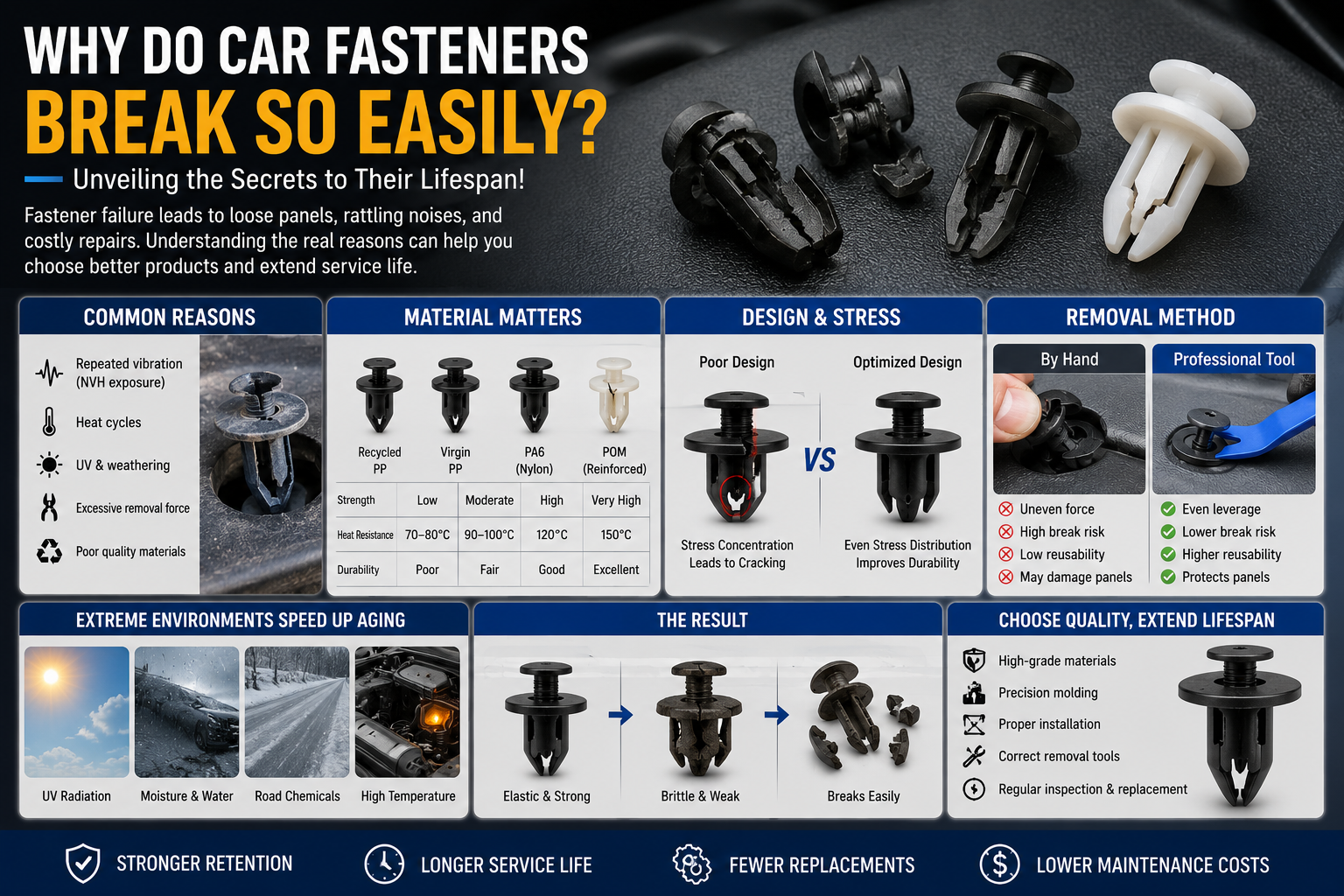
Moreover, the use of Industrial Supplier plastic rivet in such environments underscores the importance of material innovation. These rivets are engineered to withstand temperature fluctuations and chemical exposures common in automotive settings, ensuring long-term reliability. Manufacturers benefit from reduced weight in assemblies, which contributes to fuel efficiency in the final product. By choosing plastic over metal, companies can also streamline recycling processes at the end of a vehicle's lifecycle, aligning with sustainability goals. The meticulous placement of these fasteners by automated systems highlights how small components play a pivotal role in creating world-class automobiles.
Exploring Specialized Clips and Fasteners as Unsung Heroes
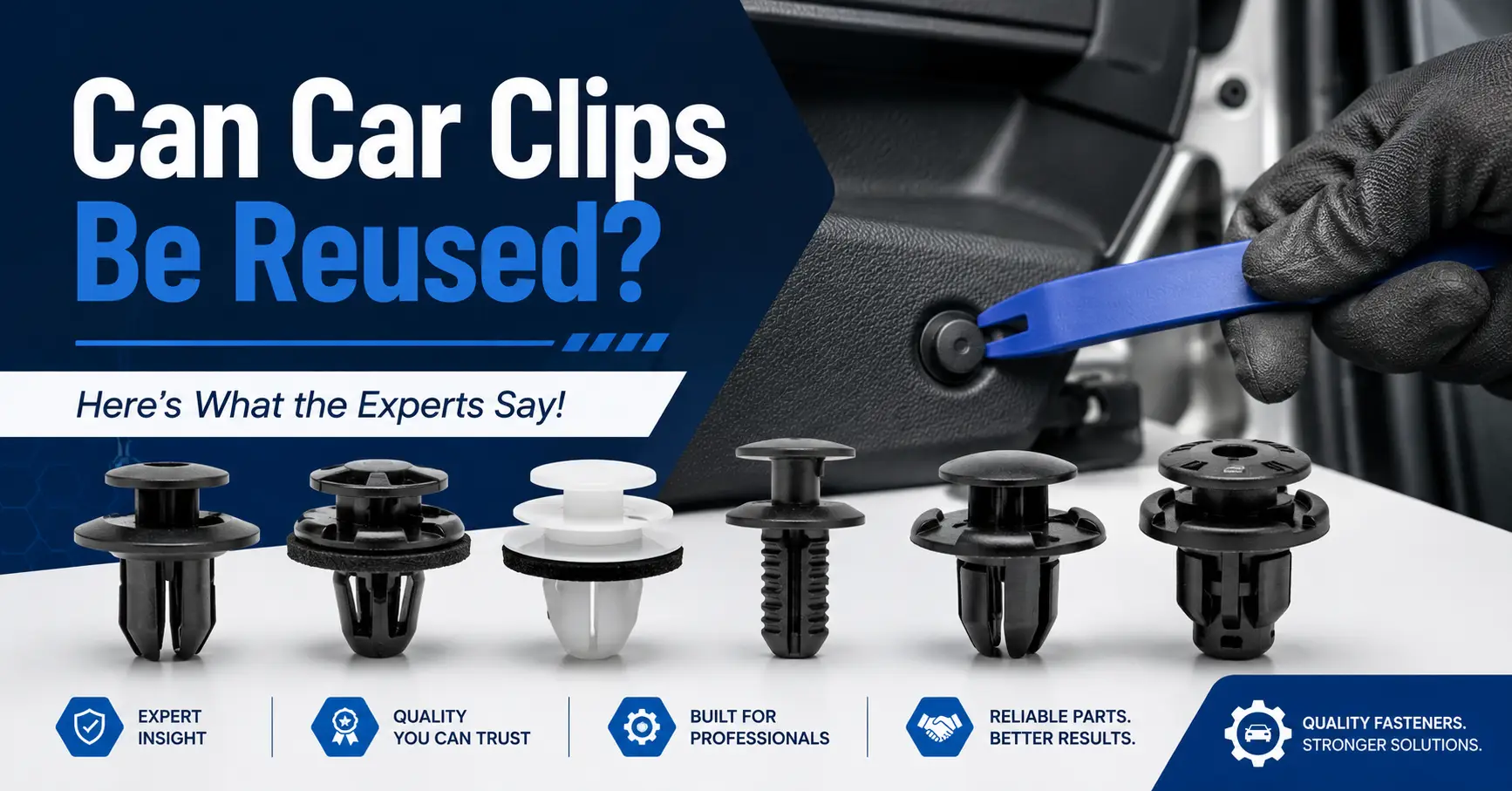
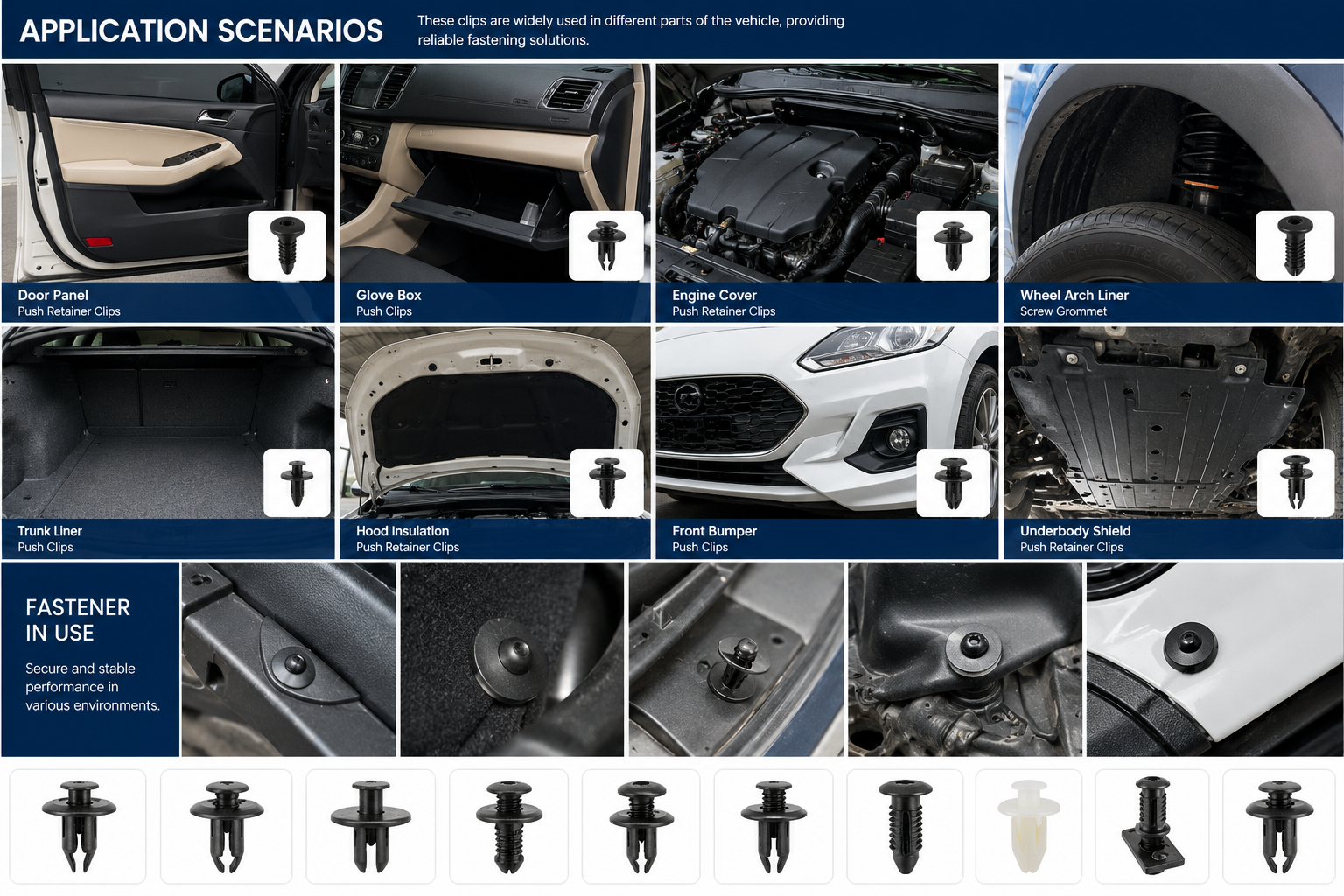
Beyond the riveting action of robotic arms, an array of specialized clips and fasteners, including the ever-reliable Industrial Supplier plastic rivet, forms the backbone of any assembly operation. These components might seem minor, but they are crucial for maintaining structural integrity in complex machinery. In the automotive world, for instance, plastic rivets secure interior trims, wiring harnesses, and exterior moldings with precision that human hands alone couldn't match at scale. Industrial suppliers provide a variety of sizes and strengths, allowing for customization that fits specific assembly needs.
The beauty of these fasteners lies in their simplicity and versatility. An Industrial Supplier plastic rivet can be installed quickly using pneumatic tools integrated into robotic lines, speeding up production cycles without compromising quality. This efficiency is evident in the seamless finish of modern cars, where every panel aligns perfectly thanks to secure fastening. Furthermore, plastic rivets reduce noise and vibration in moving parts, enhancing the driving experience. As industries push towards automation, the role of such suppliers becomes even more critical, providing components that keep pace with technological advancements.
Innovations Driving the Future of Industrial Fastening
Looking ahead, the evolution of the Industrial Supplier plastic rivet is tied closely to broader manufacturing trends. With the rise of electric vehicles and smart manufacturing, there's a push for even lighter, more durable materials. Plastic rivets are at the forefront, offering solutions that support the integration of sensors and electronics without adding unnecessary weight. Suppliers are innovating with biodegradable options and enhanced UV resistance, catering to outdoor applications in automotive and beyond.
In a typical production setup, these rivets ensure that every connection is both functional and aesthetically pleasing. For example, in assembling a white sedan on the line, robotic precision combined with Industrial Supplier plastic rivet guarantees that doors, hoods, and fenders fit flawlessly. This level of detail not only boosts quality control but also reduces warranty claims down the line. As companies strive for excellence, partnering with reputable industrial suppliers ensures access to the latest in fastening technology, fostering a competitive edge in the market.
Why Choose Industrial Supplier Plastic Rivet for Your Operations
Selecting the right Industrial Supplier plastic rivet can make all the difference in operational success. These fasteners are not just about holding parts together; they're about enabling efficiency, safety, and innovation in every project. In automotive manufacturing, where precision is paramount, plastic rivets from quality suppliers prevent loosening over time, even under extreme conditions. Their non-conductive nature also makes them suitable for electrical assemblies, avoiding short circuits that could arise with metal alternatives.
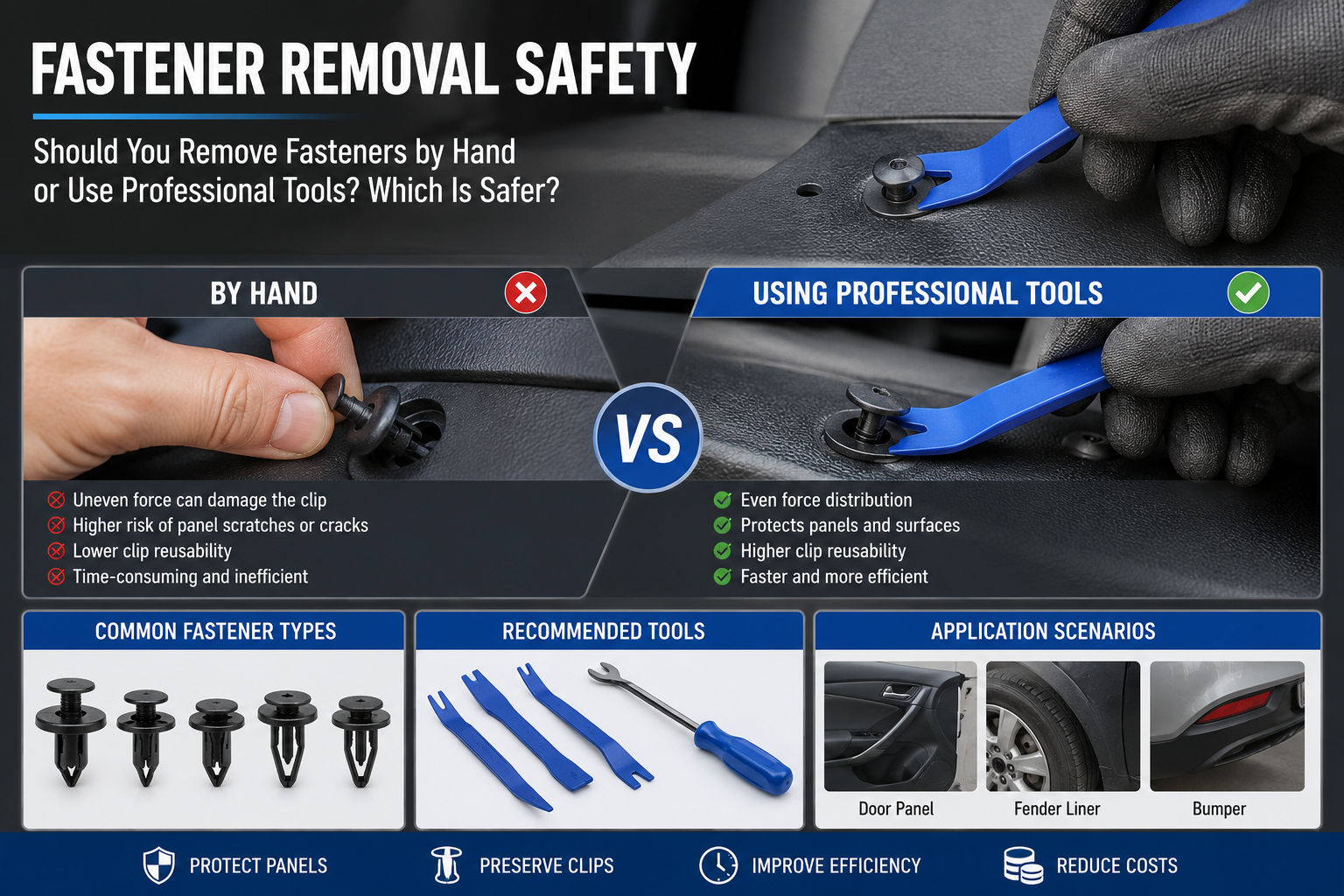
Industrial suppliers often provide comprehensive support, from bulk ordering to custom specifications, ensuring that businesses have exactly what they need. The cost savings are significant—plastic rivets are generally cheaper to produce and install, leading to lower overall manufacturing expenses. Additionally, their ease of removal during repairs or disassembly promotes a circular economy approach. Whether you're outfitting an assembly line or upgrading existing equipment, investing in Industrial Supplier plastic rivet translates to reliable performance and peace of mind.
Real-World Applications and Best Practices
In practice, implementing Industrial Supplier plastic rivet in manufacturing workflows requires attention to detail. Start by assessing the load requirements and environmental factors to select the appropriate type—push rivets for quick installations or blind rivets for hidden applications. Training teams on proper usage, especially in robotic setups, maximizes benefits. Case studies from leading automotive firms show that switching to plastic rivets has cut assembly time by up to 20%, proving their value in high-volume production.
Sustainability is another key consideration. Many industrial suppliers now offer eco-friendly plastic rivets made from recycled materials, reducing the environmental footprint of manufacturing. By incorporating these into your processes, you not only meet regulatory standards but also appeal to eco-conscious consumers. The Industrial Supplier plastic rivet, therefore, isn't just a fastener—it's a strategic choice that aligns with modern business imperatives.
Overall, the Industrial Supplier plastic rivet exemplifies how small innovations lead to big impacts in industrial settings. From robotic assembly lines crafting premium vehicles to everyday fastening needs, these components ensure everything stays connected and secure. As technology advances, their role will only expand, making them indispensable for forward-thinking manufacturers.