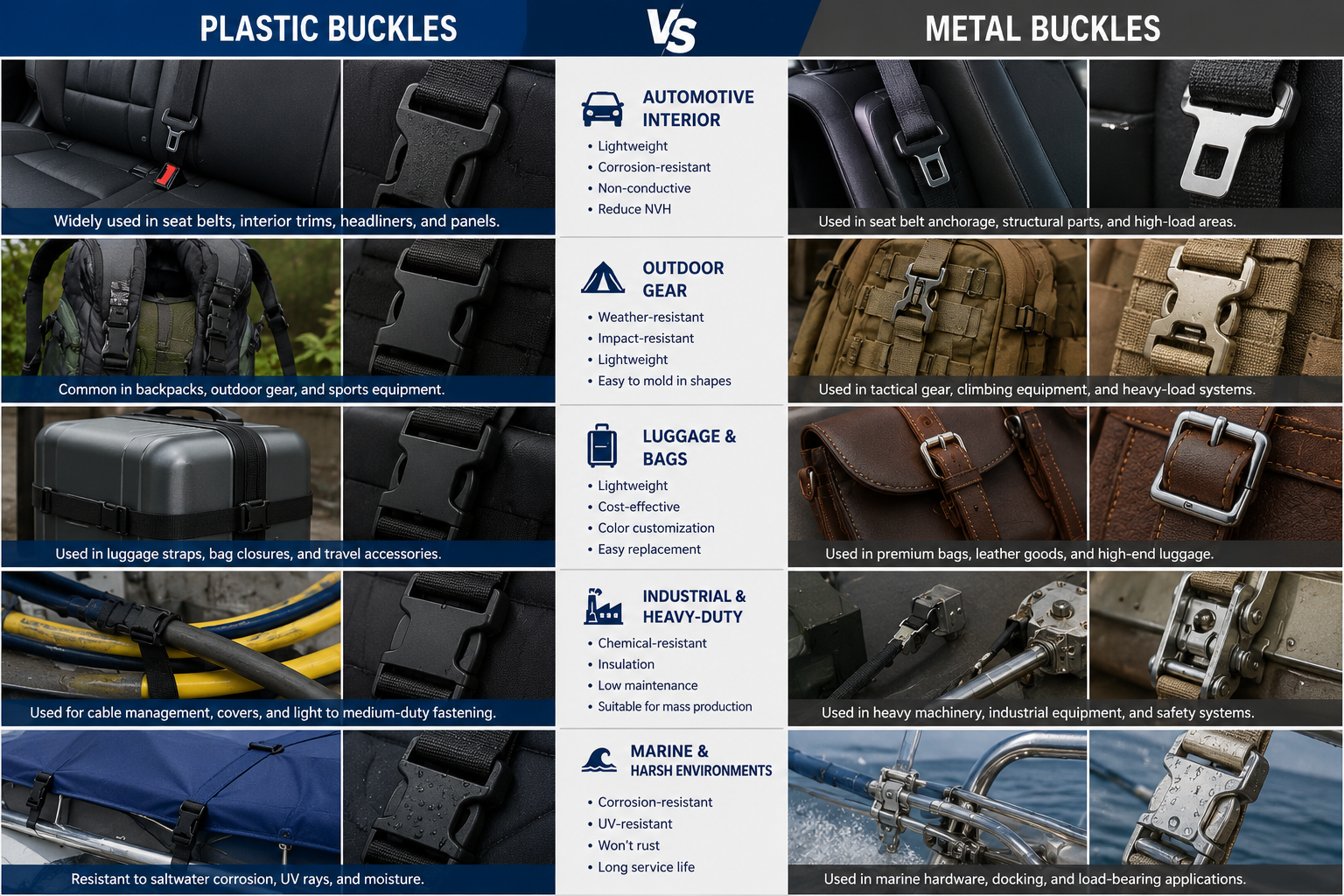

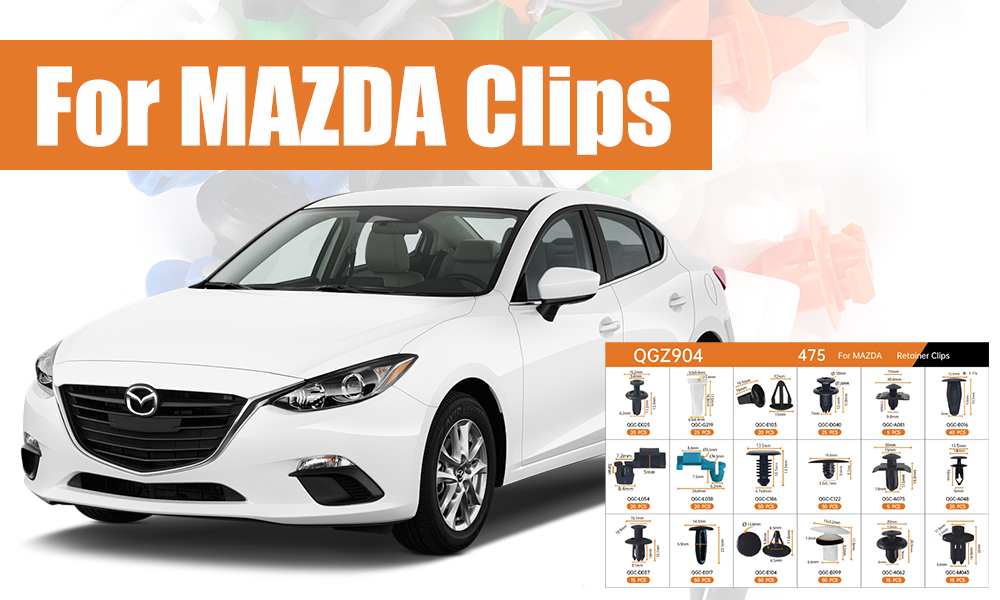
Procurement Partner Car Clip Retain: Securing Reliable Automotive Fastening for Global Supply Chains
In automotive production, fasteners are among the smallest components—but they create some of the largest operational risks. A dependable procurement partner car clip retain supplier ensures that each clip meets global OEM standards while balancing cost control and delivery precision. QEEPEI provides a sourcing framework that integrates engineering accuracy, traceable logistics, and long-term procurement stability for enterprise customers.
When Procurement Gaps Disrupt Production
Procurement managers face recurring challenges in maintaining continuity of small components like clips:
-
Multiple vendors with inconsistent quality levels.
-
Unverified materials that fail thermal and tensile tests.
-
Overstocking due to poor data forecasting.
-
Unclear traceability causing warranty disputes.
According to Global Automotive Procurement Review 2025, uncoordinated clip sourcing leads to an average of 9 % production downtime across Tier-1 plants—mainly from dimension variance and delayed replenishment.
The Function and Design Logic Behind Car Clip Retainers
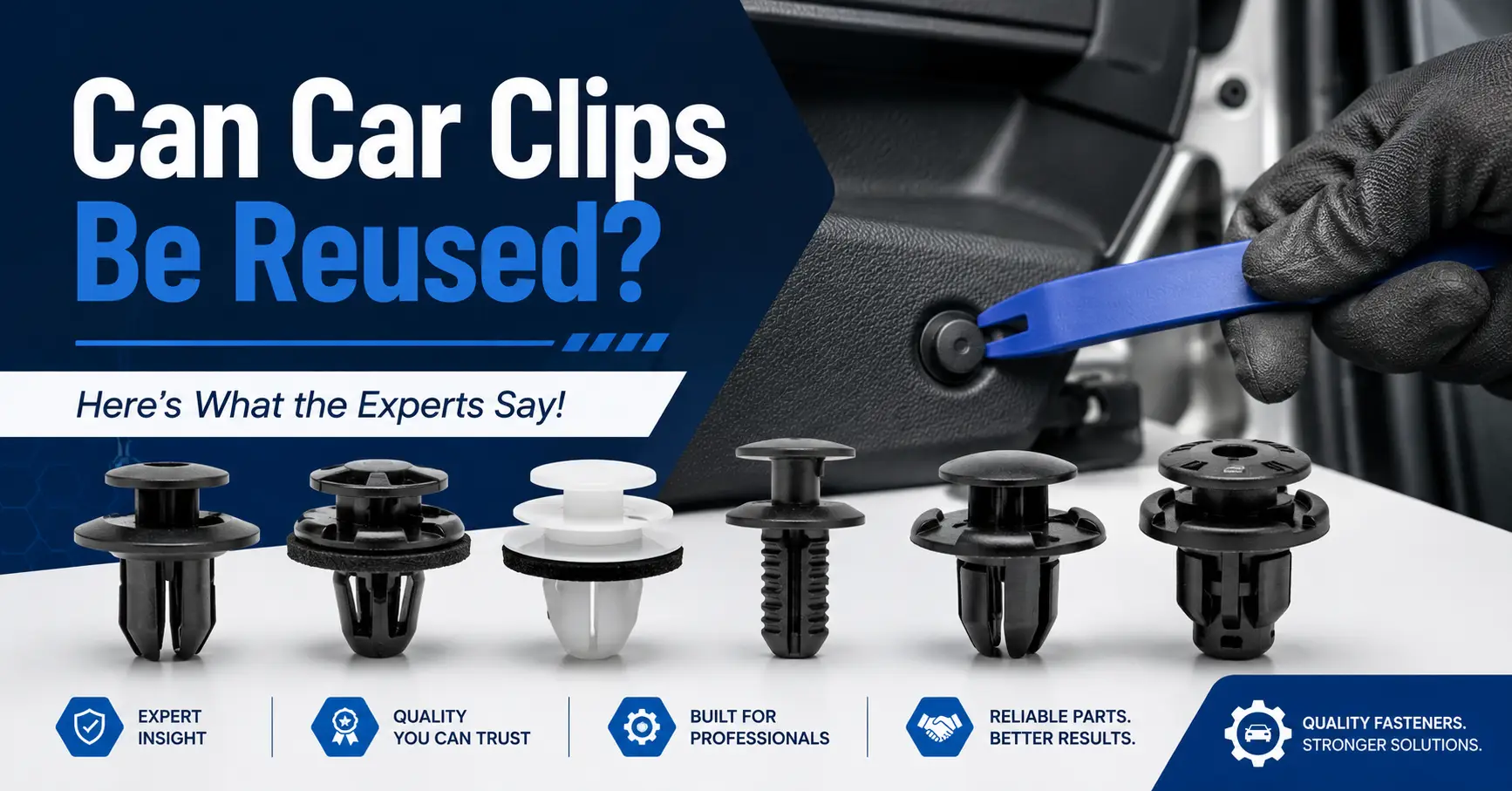
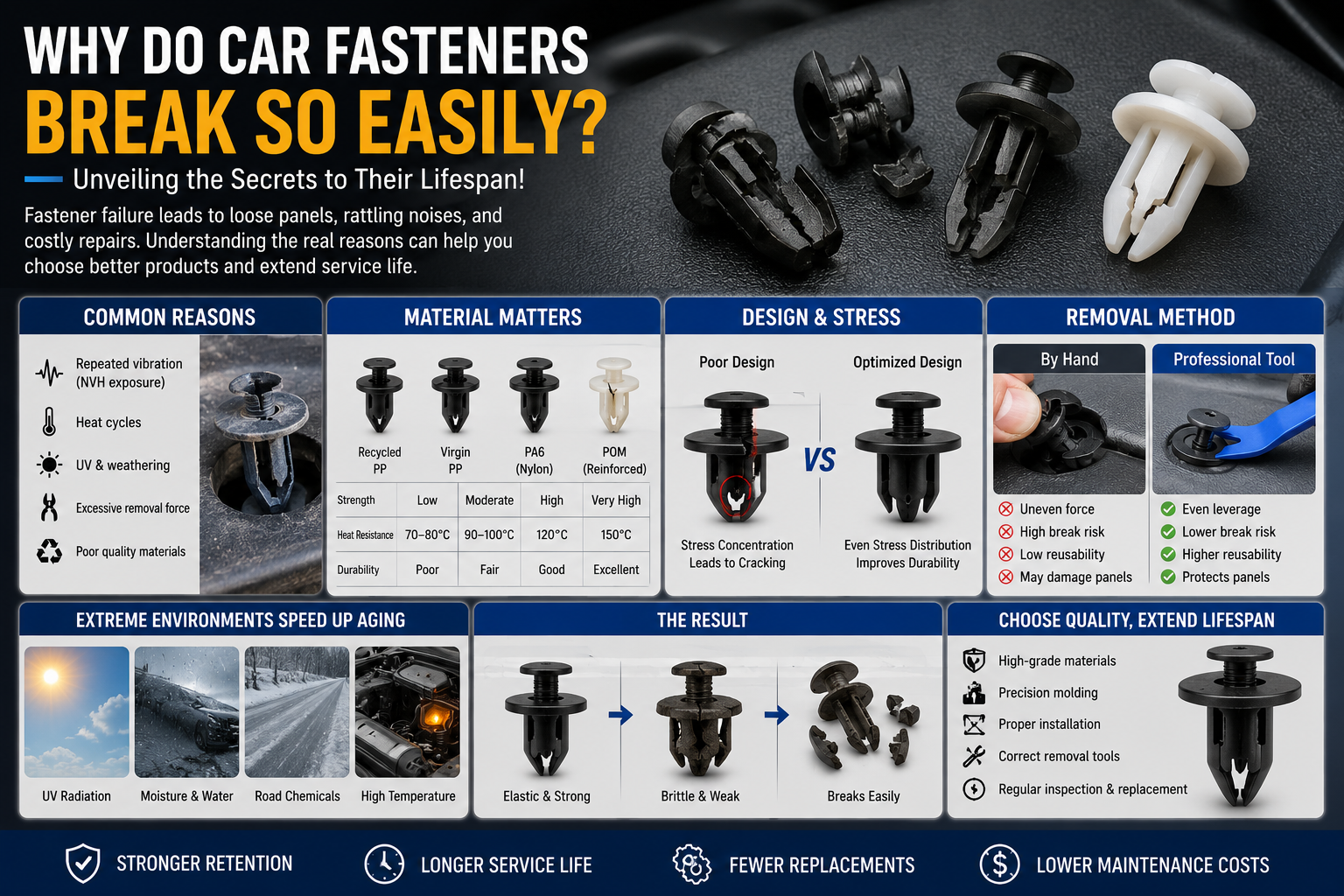
Car clip retainers lock trims, seals, and body panels into place under vibration, heat, and torque. Their performance depends on three precision principles:
-
Elastic Recovery: Allows secure hold even after multiple installations.
-
Shear Resistance: Withstands mechanical stress without deformation.
-
Thermal Stability: Maintains grip in temperature ranges from -40 °C to 125 °C.
Each clip geometry must achieve balance—rigid enough for structural retention, yet flexible enough for assembly ergonomics.
Fragmented Sourcing vs. Strategic Procurement Partnership
| Criteria | Fragmented Sourcing | Strategic Procurement (QEEPEI) |
|---|---|---|
| Vendor Count | Multiple small suppliers | Unified global partner |
| Material Verification | Limited | Full batch certification |
| Dimensional Consistency | ±0.10 mm | ±0.03 mm tolerance |
| Traceability | Manual tracking | QR-coded batch control |
| Cost Predictability | Fluctuating | Contract-based stabilization |
By consolidating procurement through a strategic partner, manufacturers reduce administrative overhead and quality uncertainty while improving total cost of ownership.
How QEEPEI Strengthens Procurement Reliability
A true procurement partner goes beyond selling parts—it integrates processes:
-
Engineering Collaboration: OEM co-design for new vehicle models.
-
Smart Inventory Control: Forecast-based production scheduling.
-
Unified Material Library: Only certified Nylon 66, POM, and TPV resins.
-
Automated Sorting and Labeling: Prevents assembly-line mix-ups.
-
Global Logistics Sync: Multi-region warehouses with bonded export zones.
Through this structure, QEEPEI enables steady fastener flow even during supply chain disruptions.
Procurement Advantages for Automotive Enterprises
-
Cost Transparency: Clear contract pricing across product categories.
-
Quality Consistency: ISO/IATF 16949 compliance verified at each batch.
-
Reduced Procurement Complexity: One point of contact for multiple clip types.
-
Faster Lead Time: In-stock replenishment from regional hubs.
-
Sustainability Assurance: RoHS and REACH-certified material traceability.
This integrated procurement model turns fastener management from a tactical necessity into a strategic advantage.
Real-World Use Cases in Automotive Supply Networks
| Segment | Application | Outcome |
|---|---|---|
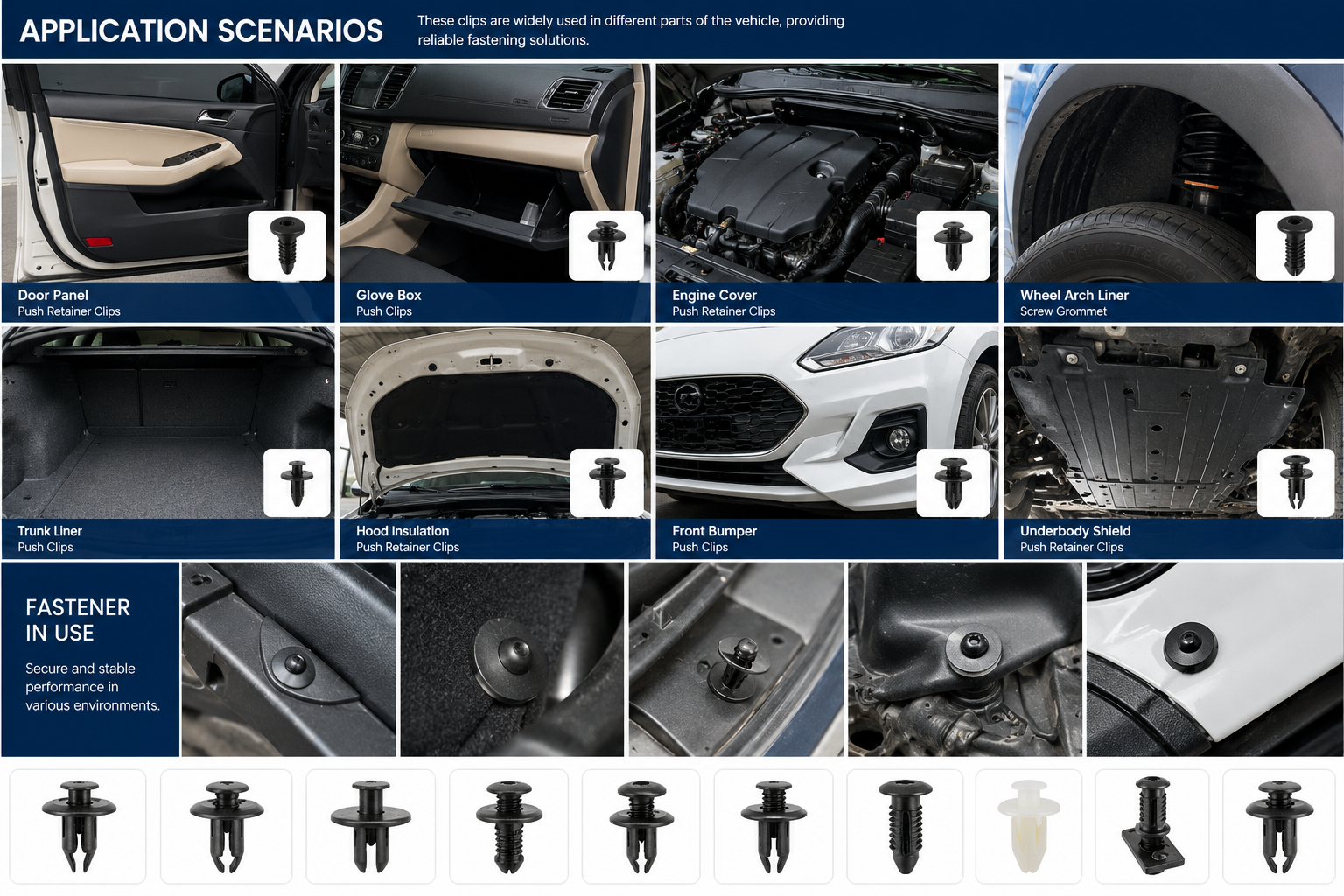
| OEM Manufacturing | Door panel and body trim clips | Improved assembly speed |
| Tier-1 Subassembly Plants | Rubber seal retainers and trim fixings | Reduced variance and scrap |
| Global Distributors | Consolidated clip assortment | Easier SKU management |
| Automotive Aftermarket | Service and repair kits | Faster inventory turnover |
This procurement approach standardizes the fastener ecosystem across design, production, and maintenance workflows.
Key Considerations for Procurement Teams
When selecting a procurement partner car clip retain supplier:
-
Verify Certification Standards: ISO 9001, IATF 16949 baseline.
-
Audit Material Sources: Ensure consistent polymer blends.
-
Review Testing Protocols: Tensile, impact, and vibration test data.
-
Evaluate Logistics Network: Regional stocking and customs readiness.
-
Confirm Digital Integration: ERP and QR compatibility for real-time visibility.
Following these steps ensures long-term operational resilience and reduced warranty exposure.
FAQ
Q: Can QEEPEI manage procurement for multiple brands simultaneously?
A: Yes, our ERP system supports brand-specific labeling and logistics segmentation for multi-brand networks.
Q: How do you ensure data transparency during sourcing?
A: Each shipment includes digital certificates and batch traceability records linked to a global quality server.
Q: Do you provide price-lock contracts for long-term procurement?
A: Yes, enterprise clients can establish annual or multi-year procurement agreements for cost stability.
Conclusion: From Supplier Management to Strategic Partnership
In modern automotive manufacturing, fasteners no longer represent a trivial spend—they are a linchpin of reliability. Partnering with a trusted procurement partner car clip retain manufacturer like QEEPEI ensures predictable cost, consistent quality, and resilient supply across continents. Through unified materials, transparent data, and adaptive logistics, QEEPEI helps global enterprises transform procurement into performance.
For strategic sourcing consultation, visit QEEPEI Homepage or connect via Contact Us.