
Auto Fastener & Clip Manufacturer: Building Structural Integrity Across Global Automotive Supply Chains
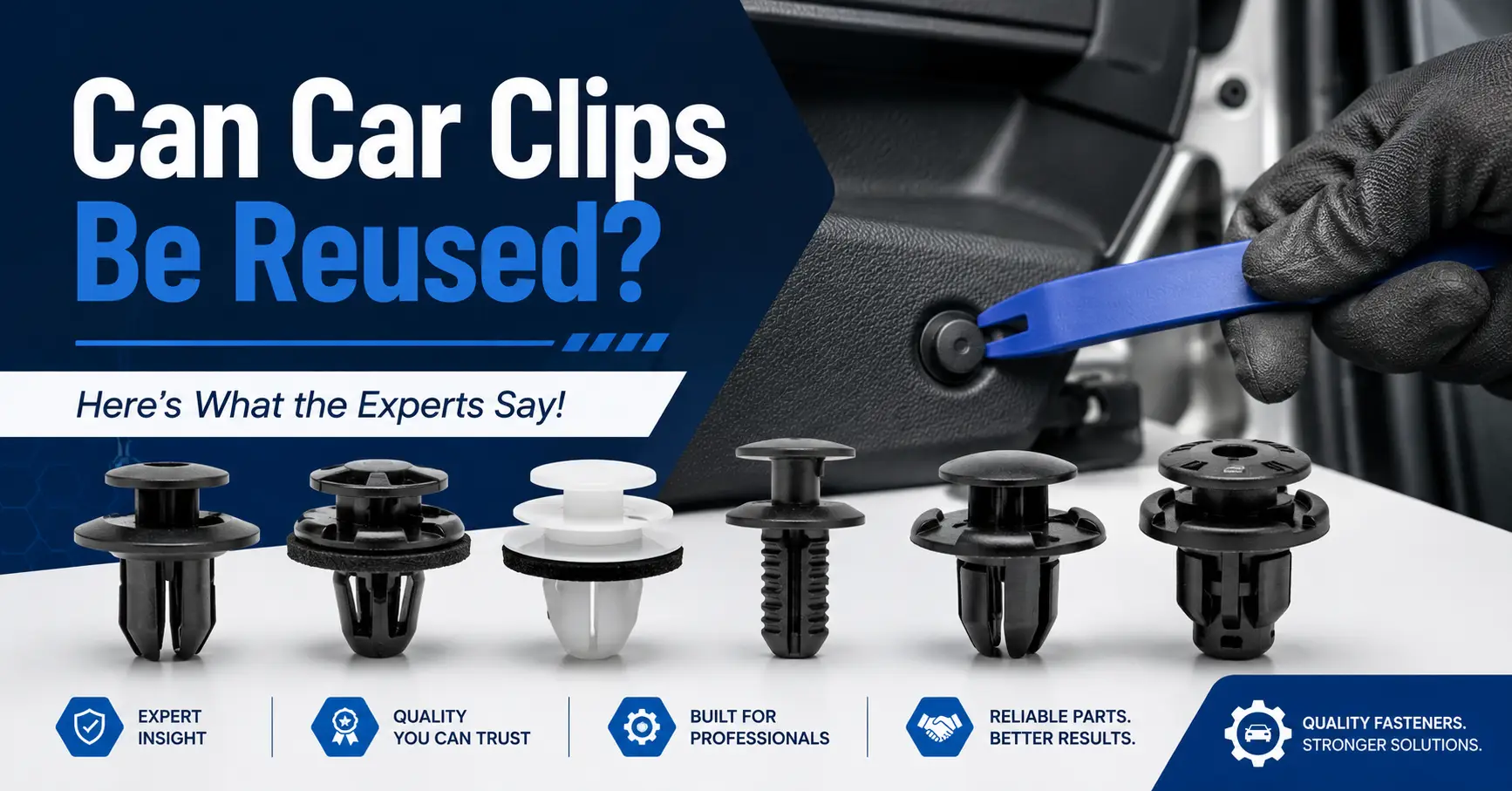
In every vehicle, from compact hatchbacks to luxury SUVs, unseen components shape visible quality. The auto fastener & clip manufacturer ensures each trim, fender, or dashboard panel aligns perfectly—holding structure and style together. A millimeter off in clip design can ripple through production efficiency, acoustic performance, and warranty reliability.
QEEPEI understands that in automotive assembly, fastening solutions define both physical and operational integrity. Every clip reflects years of process control and precision injection expertise, forming the backbone of a smooth manufacturing flow.
Hidden Pain Points in Automotive Fastener Procurement
Procurement teams and engineers face recurring challenges:
-
Variations in fastener torque performance across suppliers.
-
Poor fit tolerance leading to squeaks, rattles, or alignment drift.
-
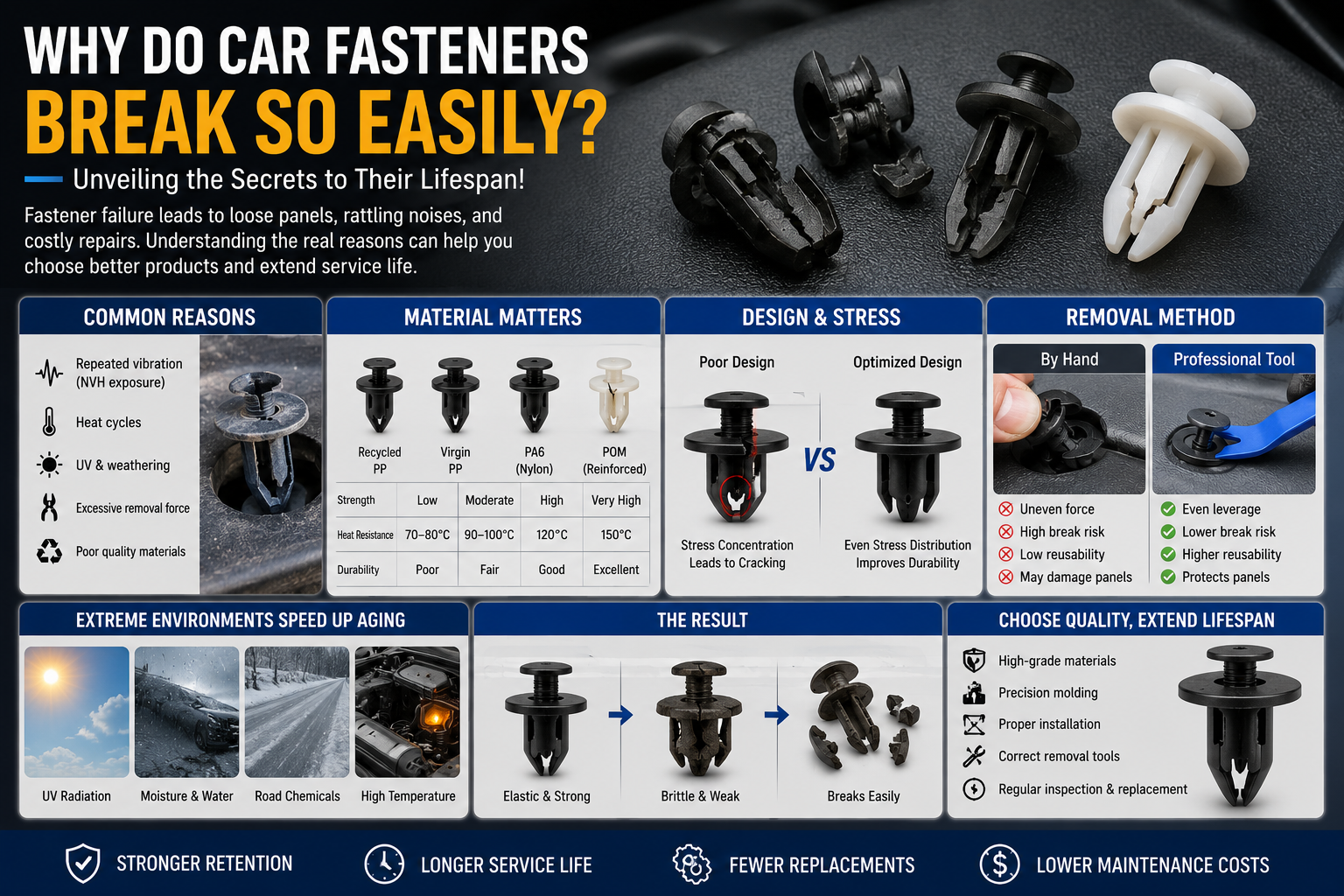
Material degradation after heat cycling and UV exposure.
-
Supply inconsistency causing assembly-line downtime.
These issues translate to delayed shipments, warranty claims, and escalating costs. For OEMs balancing global production, dependable partners are not optional—they are essential.
The Material Science That Defines Reliable Fasteners
Modern automotive fasteners rely on polymer chemistry and micro-engineering. Strength is not only mechanical—it’s molecular.
-
Reinforced Polymers: Blends of PA66 + GF ensure rigidity and temperature endurance.
-
Elastic Recovery: Maintains tension despite long-term vibration.
-
Thermal Resistance: Tolerates 130°C engine bay temperatures without softening.
-
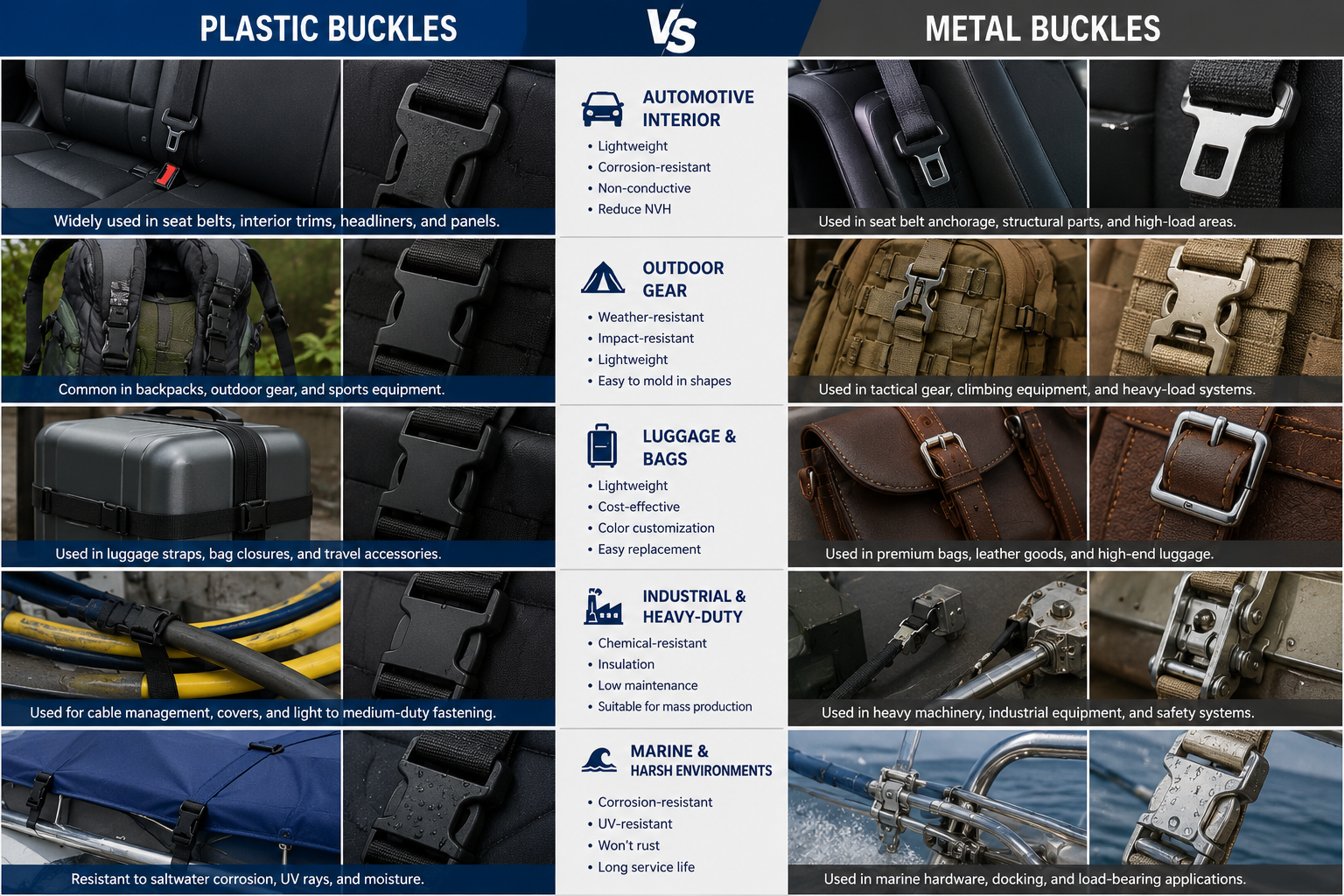
Corrosion Immunity: Unlike metal fasteners, plastic clips resist oxidation and chemical agents.
Each clip’s geometry, from barb angle to flange diameter, is computationally optimized to minimize installation force while maximizing holding power.
Comparing General Suppliers vs. Specialized Manufacturers
| Criteria | Generic Supplier | Auto Fastener & Clip Manufacturer (QEEPEI) |
|---|---|---|
| Dimensional Tolerance | ±0.10 mm | ±0.03 mm precision molding |
| Material Certification | None | ISO 9001 / IATF 16949 / RoHS |
| Quality Inspection | Sampling only | 100% automated optical scanning |
| Supply Chain | Localized | Global multi-hub JIT logistics |
| Customization | Limited | OEM & ODM integration |
Such differences determine whether your assembly line experiences flawless throughput—or recurring disruptions.
The QEEPEI Manufacturing Framework
QEEPEI operates a vertically integrated production ecosystem that bridges tooling, molding, and logistics:
-
Digital Mold Calibration: CNC precision ensures every cavity remains dimensionally stable.
-
Smart Injection Monitoring: IoT sensors track resin flow and cavity pressure.
-
Automated Inspection: Machine vision identifies 0.02 mm surface deviations.
-
Synchronized Packaging: Barcoded traceability from plant to port.
-
Predictive Maintenance: AI-driven mold wear prediction minimizes downtime.
This system delivers consistent output even under tight global production schedules.
Strategic Advantages for Automotive Manufacturers
-
Uncompromised Fitment Accuracy: Eliminates alignment rework on high-volume lines.
-
Cost Efficiency: Optimized mold life and reduced scrap improve per-part economics.
-
Supply Reliability: Coordinated multi-region warehouses ensure zero line stops.
-
Regulatory Compliance: Adheres to REACH, RoHS, and global environmental norms.
-
Co-Development Flexibility: Engineering collaboration from prototype to mass production.
The result—a fastening ecosystem that is both technically resilient and commercially sustainable.
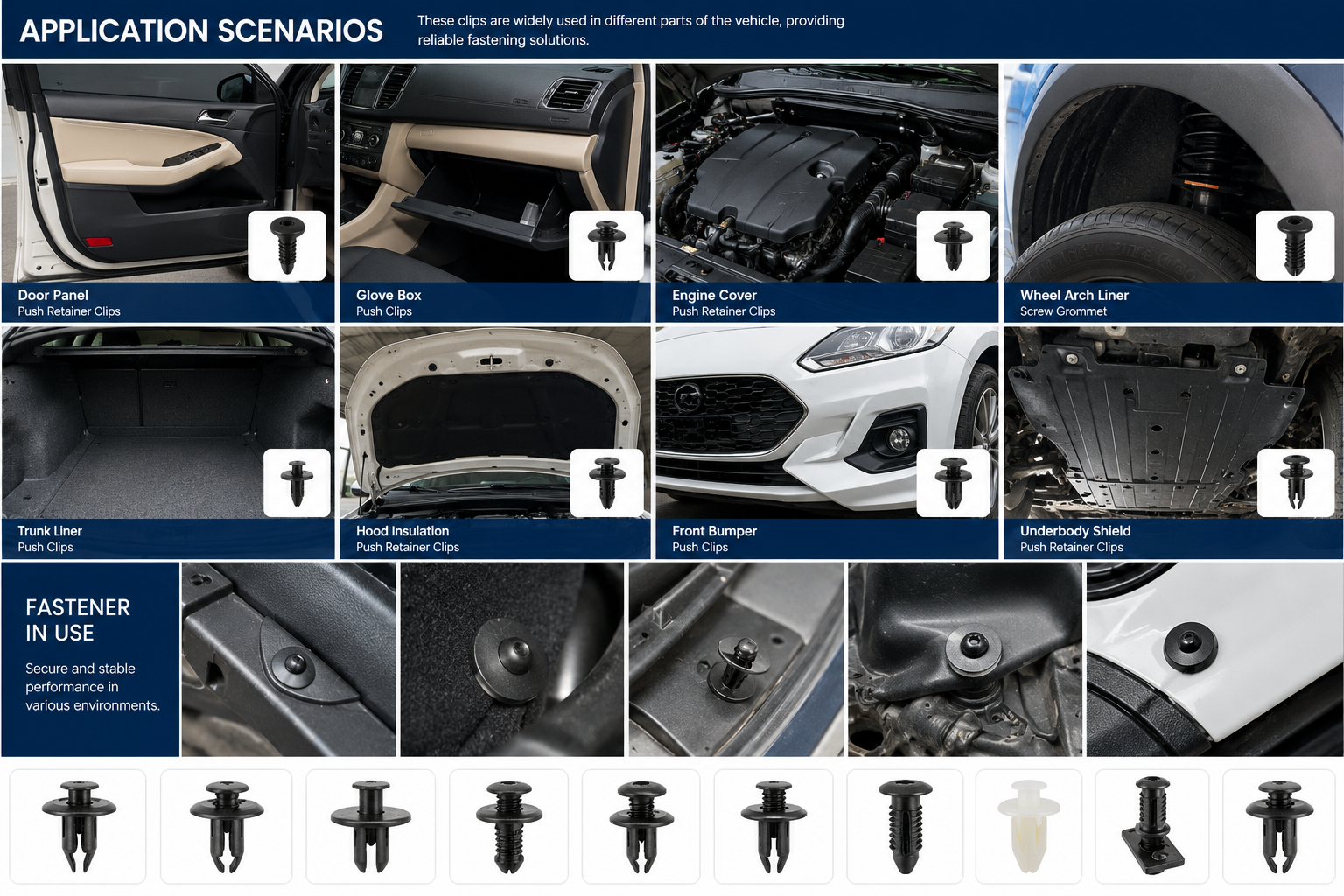
Applications Across Vehicle Systems
| Vehicle Area | Fastener Type | Function | Key Property |
|---|---|---|---|
| Door Panels | Trim clip | Retains interior lining | Elastic recovery under vibration |
| Engine Bay | Heat-resistant rivet | Secures ducts and cables | Thermal endurance |
| Underbody | Push fastener | Attaches protection panels | Corrosion resistance |
| Roof Liner | Retainer clip | Holds insulation fabric | Lightweight acoustic design |
| Dashboard | Snap clip | Connects fascia to frame | Precise fit tolerance |
Each assembly system relies on the subtle consistency that only an experienced auto fastener & clip manufacturer can deliver.
Selection Criteria for Engineering Teams
-
Define Load Requirements: Match clip pull-out strength to panel thickness.
-
Review Material Compatibility: Choose POM for stiffness or PA66 for heat zones.
-
Assess Insertion Force Range: Target 35–45 N for ergonomic assembly.
-
Evaluate Supplier Certifications: Verify IATF 16949 compliance.
-
Audit Global Delivery Capability: Avoid delays through regional stocking hubs.
Procurement precision begins long before clips reach the line—it starts with data-driven supplier evaluation.
FAQ
Q: Can QEEPEI develop fasteners compatible with robotic assembly systems?
A: Yes. Our fastening geometry is designed to align with automated insertion systems, minimizing installation variance.
Q: What material options are available for high-temperature applications?
A: QEEPEI provides PA66 + GF and PPS formulations capable of sustained 150°C exposure.
Q: How do you handle international logistics for large-volume shipments?
A: With bonded warehouses and real-time ERP tracking across Asia and Europe to guarantee delivery precision.
Conclusion: Small Components, Global Confidence
A single clip may seem minor, but it carries the weight of an entire vehicle’s integrity. The auto fastener & clip manufacturer bridges material science, digital production, and global logistics—creating unseen assurance for every car on the road.
With consistent quality, certified materials, and intelligent manufacturing, QEEPEI transforms fastening from a commodity into a competitive edge.
Explore collaboration opportunities via QEEPEI Homepage or contact the engineering team through Contact Us.