
Reducing Noise and Vibration: Engineering the Perfect Car Clip
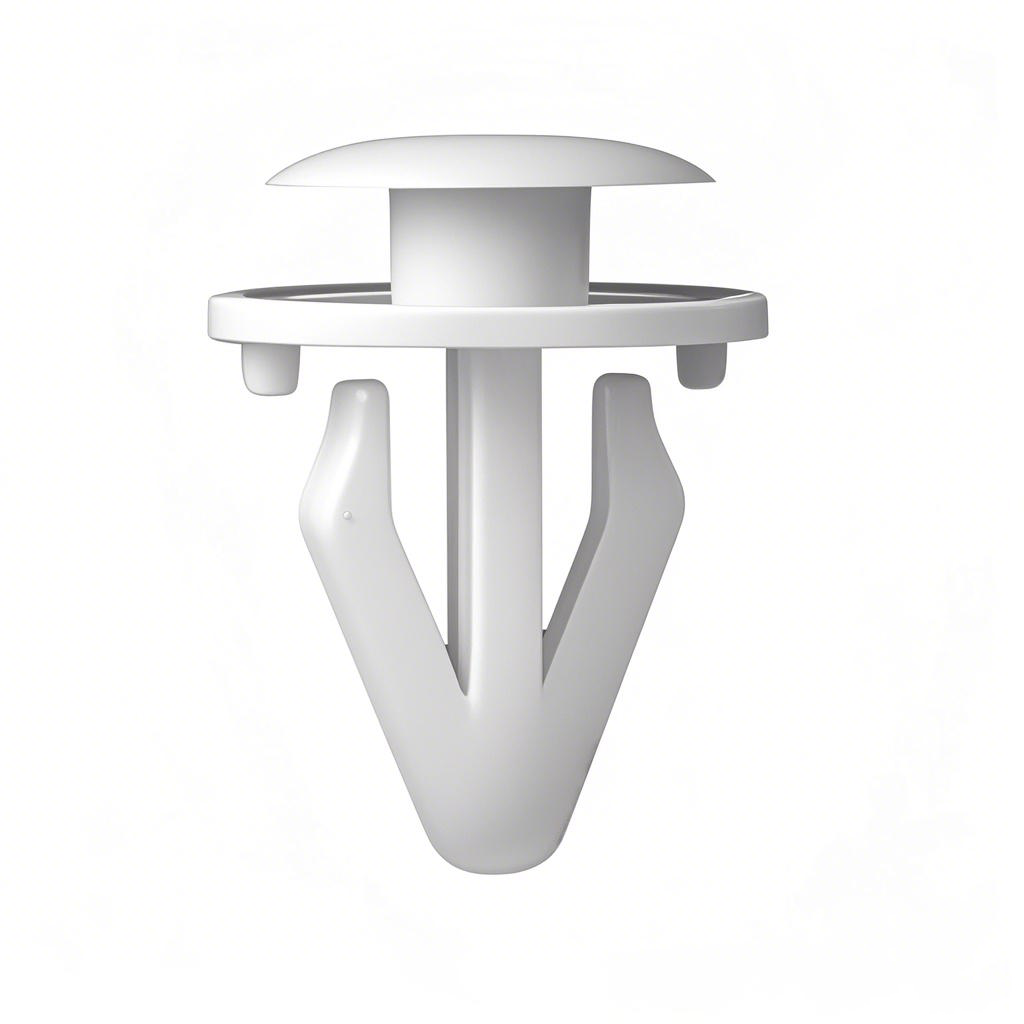
Behind every smooth car exterior lies a network of small, precise clips keeping the structure intact. As a maker of car body clips, QEEPEI engineers fastening components that maintain tight panel alignment, absorb vibration, and endure the demanding thermal conditions of vehicle assembly.
These clips might appear minor, yet they play a decisive role in body stability, safety, and aesthetics.
Industry Pain Points: Why Clip Quality Determines Vehicle Integrity
Manufacturers often face recurring challenges during car body assembly:
-
Panel Misalignment: Poorly molded clips lead to uneven gaps between body panels.
-
Rattling and Noise: Weak retention force results in vibration during driving.
-
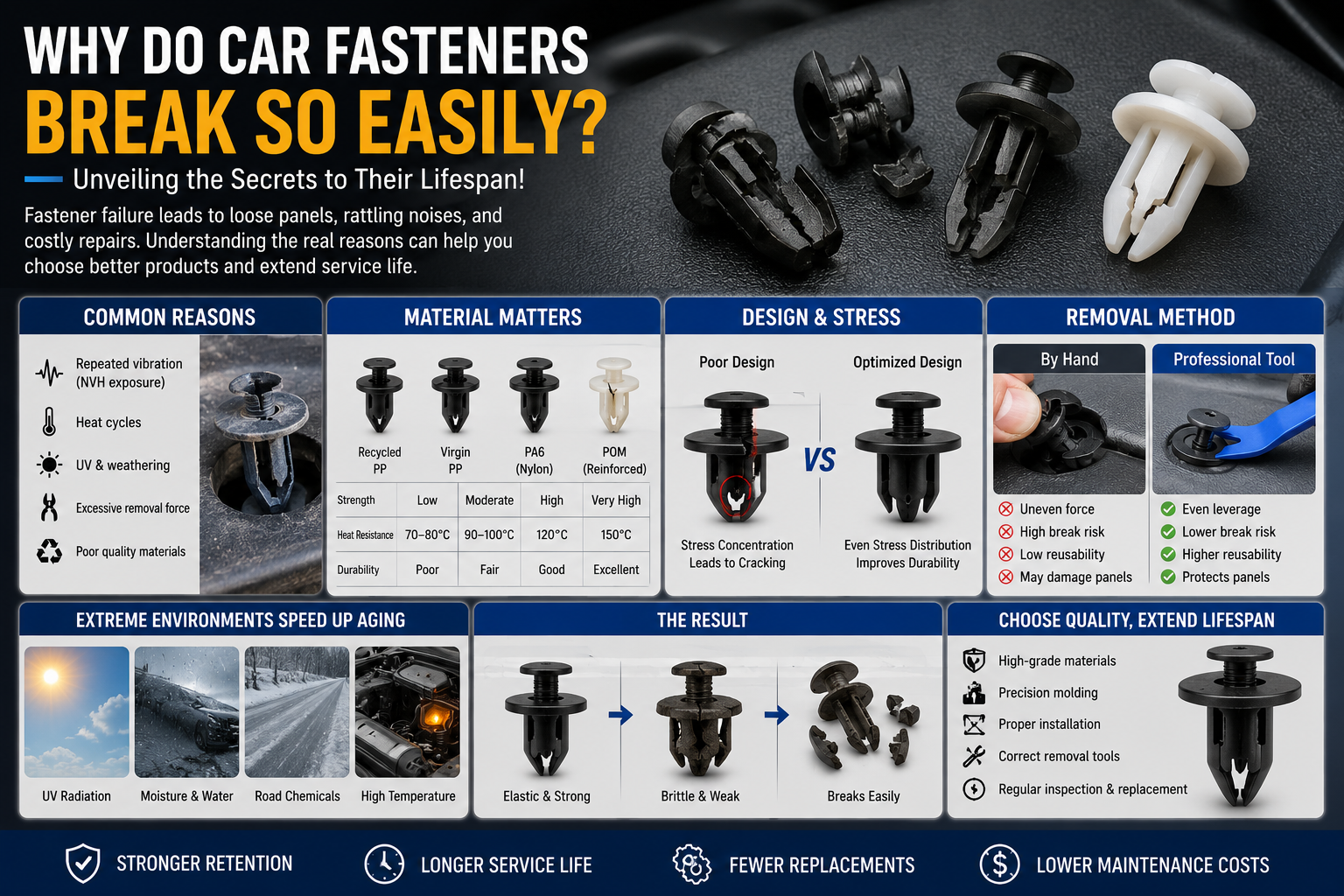
Material Fatigue: Cheap plastics lose elasticity under temperature stress.
-
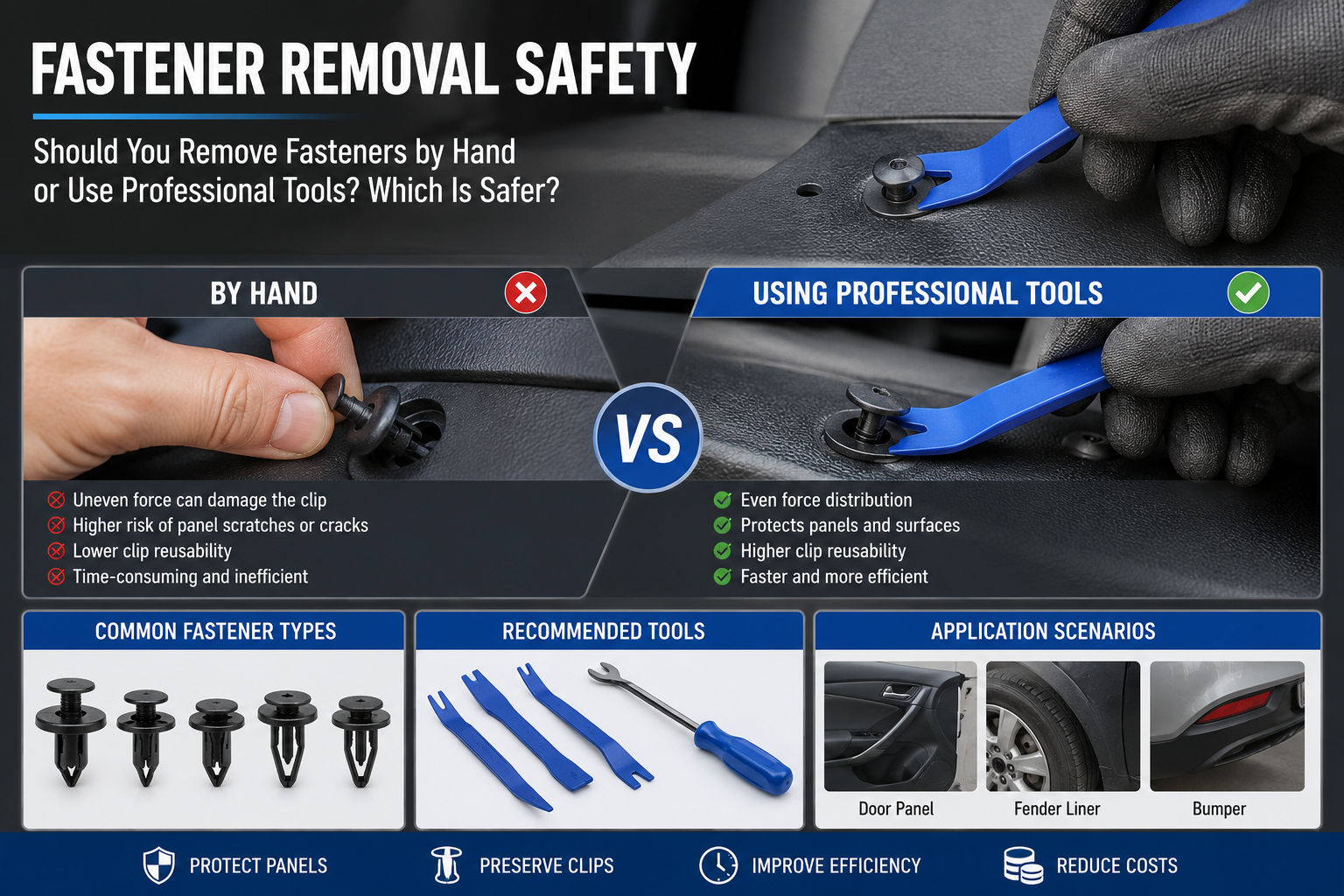
Difficult Maintenance: Non-reusable clips increase disassembly costs.
Each of these problems impacts not just product quality but also customer satisfaction and warranty costs.
The Engineering Science Behind Car Body Clips
Automotive clips must deliver the perfect combination of holding power and flexibility. Their design is guided by three main engineering factors:
| Parameter | Target | Engineering Purpose |
|---|---|---|
| Insertion Force | 10–20 N | Easy installation without damaging paint |
| Retention Force | 25–35 N | Prevents vibration and loosening |
| Heat Resistance | Up to 120°C | Withstands engine and sunlight exposure |
Advanced 3D molding ensures consistent geometry across mass production, guaranteeing precise locking and smooth fitment.
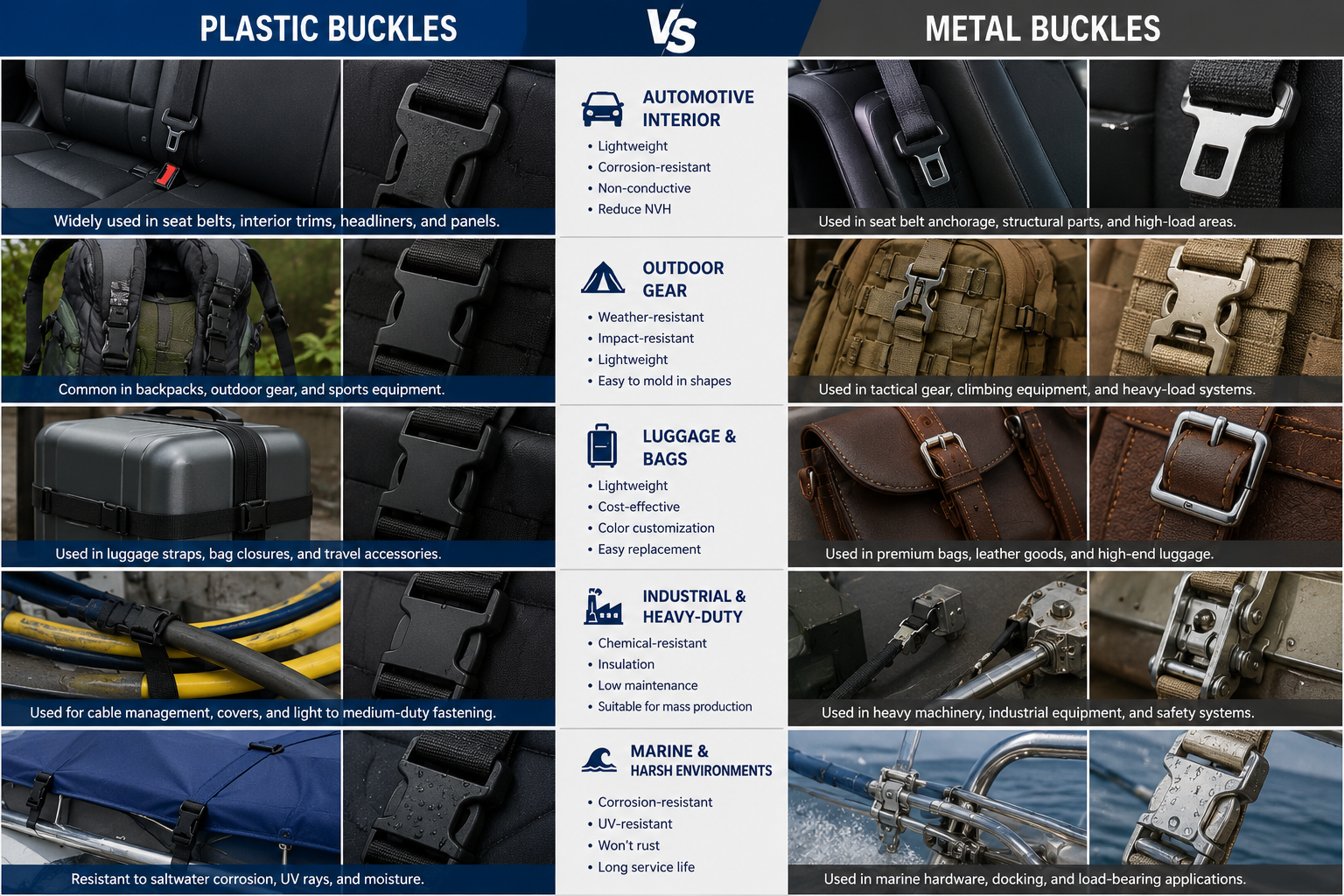
Comparing Plastic and Metal Fasteners in Automotive Use
| Material | Strength | Weight | Resistance | Typical Use Case |
|---|---|---|---|---|
| Plastic (Nylon/POM) | Medium | Light | UV, corrosion-resistant | Interior and exterior trim panels |
| Metal (Steel/Aluminum) | High | Heavy | Corrosion-prone | Structural underbody components |
Modern manufacturers increasingly prefer reinforced plastic clips, which combine flexibility and lightweight benefits while maintaining high retention strength—ideal for EVs and new-generation vehicles.
Advanced Manufacturing Solutions
QEEPEI integrates automated production and inspection to ensure OEM-grade consistency:
-
CNC-controlled injection molding for ±0.02 mm precision.
-
High-speed tooling allowing multi-cavity molding for volume efficiency.
-
Vibration and aging tests simulating 100,000 use cycles.
-
Material traceability system for full production transparency.
Each batch undergoes tension and fatigue testing to ensure clips perform consistently in global environments.
Core Advantages for Automotive Manufacturers
| Feature | Engineering Benefit | Business Value |
|---|---|---|
| High Retention Accuracy | Maintains tight body alignment | Reduces post-assembly defects |
| Lightweight Polymers | Supports vehicle weight reduction | Improves fuel and EV efficiency |
| UV & Heat Resistance | Prolonged outdoor durability | Fewer warranty claims |
| OEM Fit Guarantee | Perfect compatibility | Simplifies global supply chain |
| Fast Lead Time | Tooling within 7–10 days | Shorter development cycles |
These technical advantages make QEEPEI a preferred partner for global body and trim suppliers.
Real-World Applications
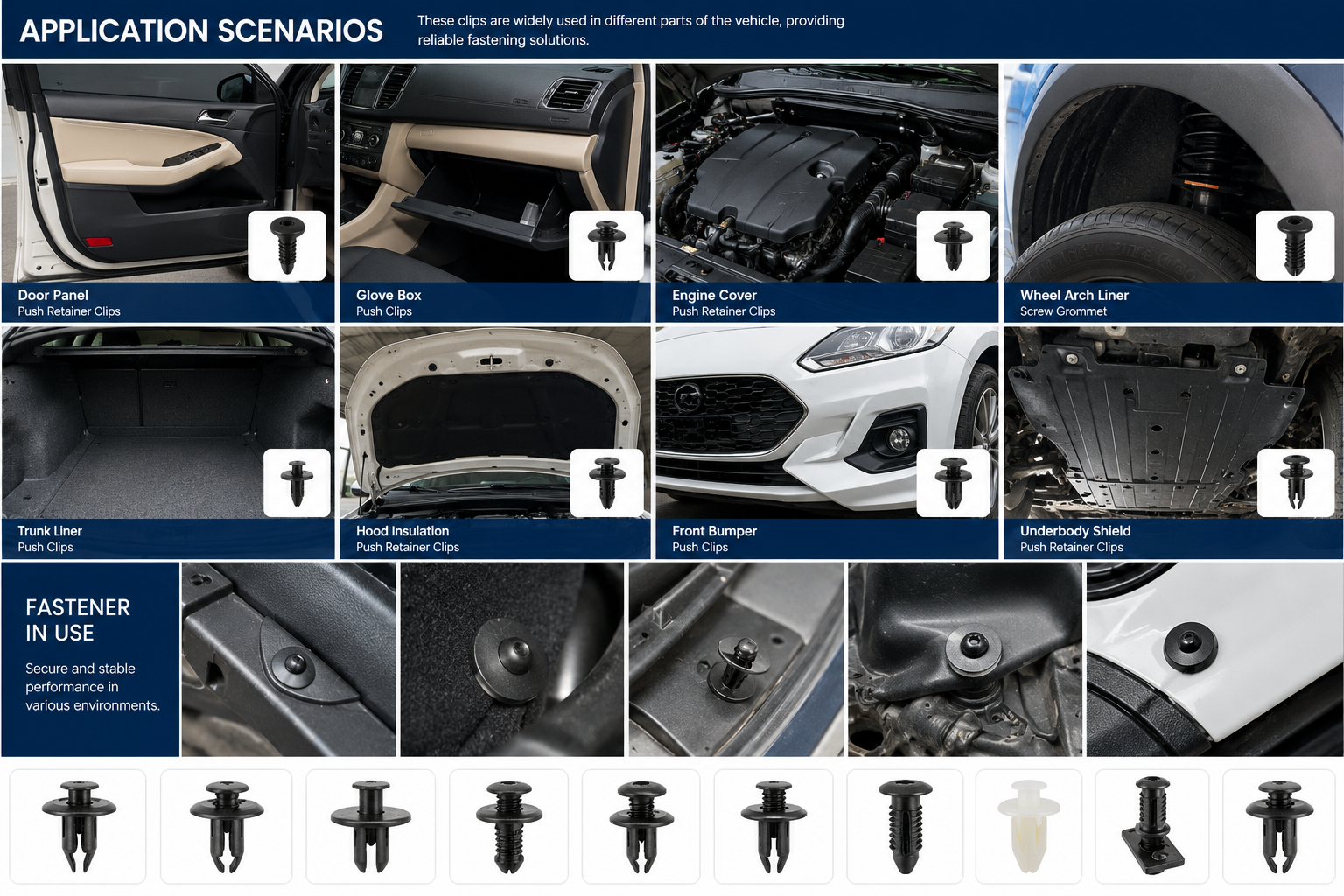
Car body clips are widely applied in:
-
Door panels and fenders – secure outer shells and reduce vibration.
-
Wheel arches and liners – hold flexible components against debris.
-
Bumpers and grilles – maintain aerodynamic alignment.
-
Roof linings – prevent sagging and ensure quiet cabin interiors.
With proper material pairing, these clips preserve both mechanical stability and design precision.
Choosing the Right Clip Type for Vehicle Models
Different vehicle categories require specific fastening solutions:
-
Compact cars → prioritize light clips for quick assembly.
-
SUVs and trucks → need reinforced designs to handle vibration and impact.
-
EVs → benefit from polymer-based clips to minimize weight.
-
Luxury vehicles → demand color-matched and silent-lock designs for aesthetic integration.
The right selection depends on the panel material, temperature exposure, and expected disassembly frequency.
Frequently Asked Questions
Q1: Are QEEPEI clips suitable for both metal and plastic panels?
Yes, our designs support hybrid surface mounting, compatible with steel, aluminum, and ABS panels.
Q2: What testing standards are followed?
Clips are validated under ISO9001 and TS16949 automotive quality protocols.
Q3: Can I request customized packaging for distribution?
Yes, QEEPEI supports OEM labeling and bulk packaging for global partners.
Q4: How do you ensure quality consistency in exports?
Each production batch includes dimensional verification and lot traceability for complete control.
Building the Unseen Foundation of Vehicle Quality
In vehicle design, the smallest components often carry the greatest engineering responsibility.
With advanced molding, quality assurance, and OEM expertise, QEEPEI ensures every clip contributes to stronger, quieter, and more durable vehicles.
Explore the full range of automotive clips on the Homepage.
For OEM and distribution partnerships, contact us here.