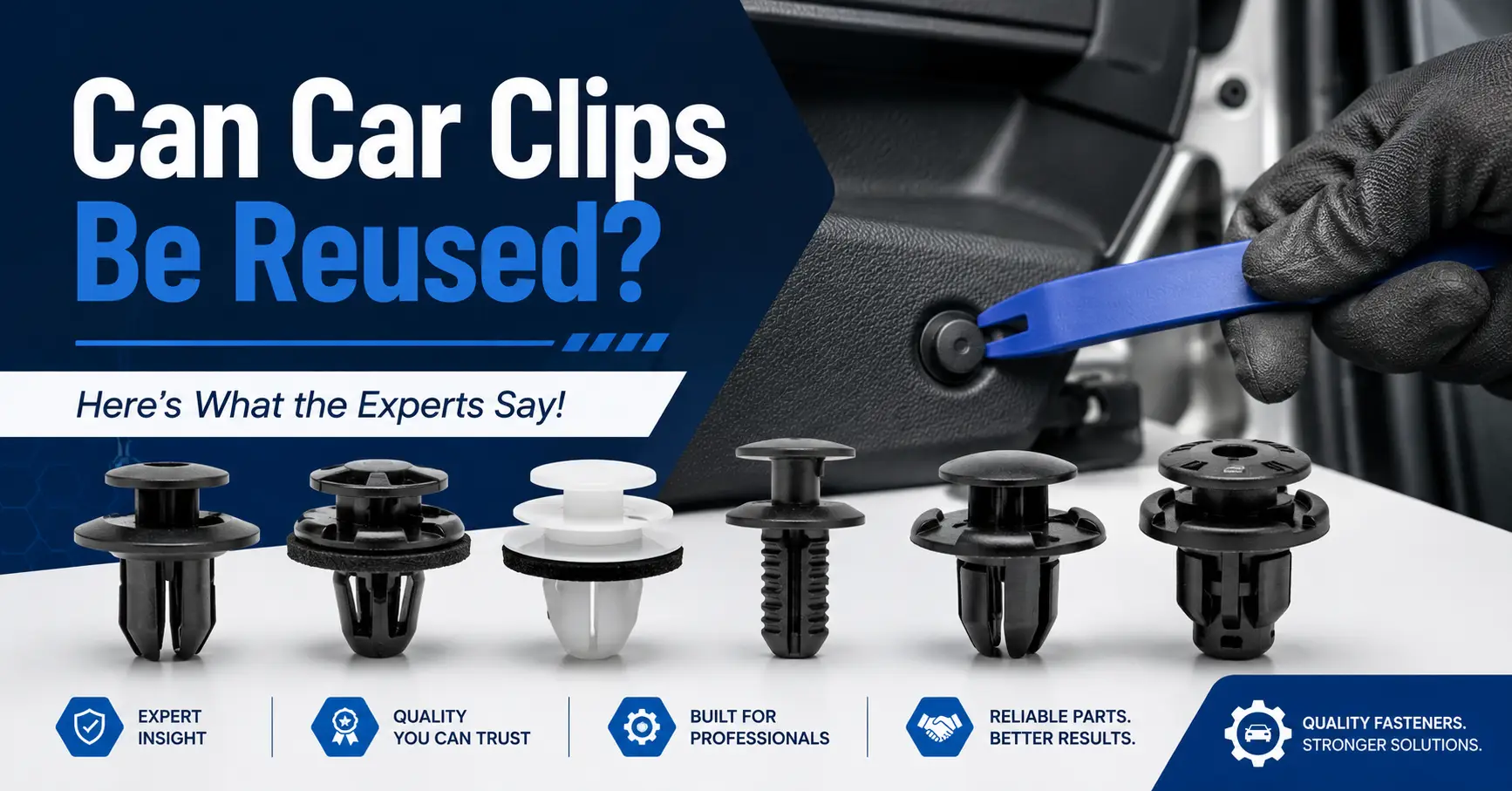

Plastic Car Clips Factory: Precision Fastening Solutions for Modern Vehicle Design
Every vehicle’s assembly relies on hundreds of small components that hold panels, trims, and structures together. Among them, plastic car clips are indispensable—they ensure precision, silence, and structural integrity. As a professional plastic car clips factory, QEEPEI specializes in manufacturing fastening systems engineered for efficiency, strength, and flexibility in modern automotive design.
Addressing Common Challenges in Vehicle Assembly
Vehicle manufacturers and workshops face recurring issues with traditional clips and fasteners:
-
Panel looseness and rattling due to inconsistent clip strength.
-
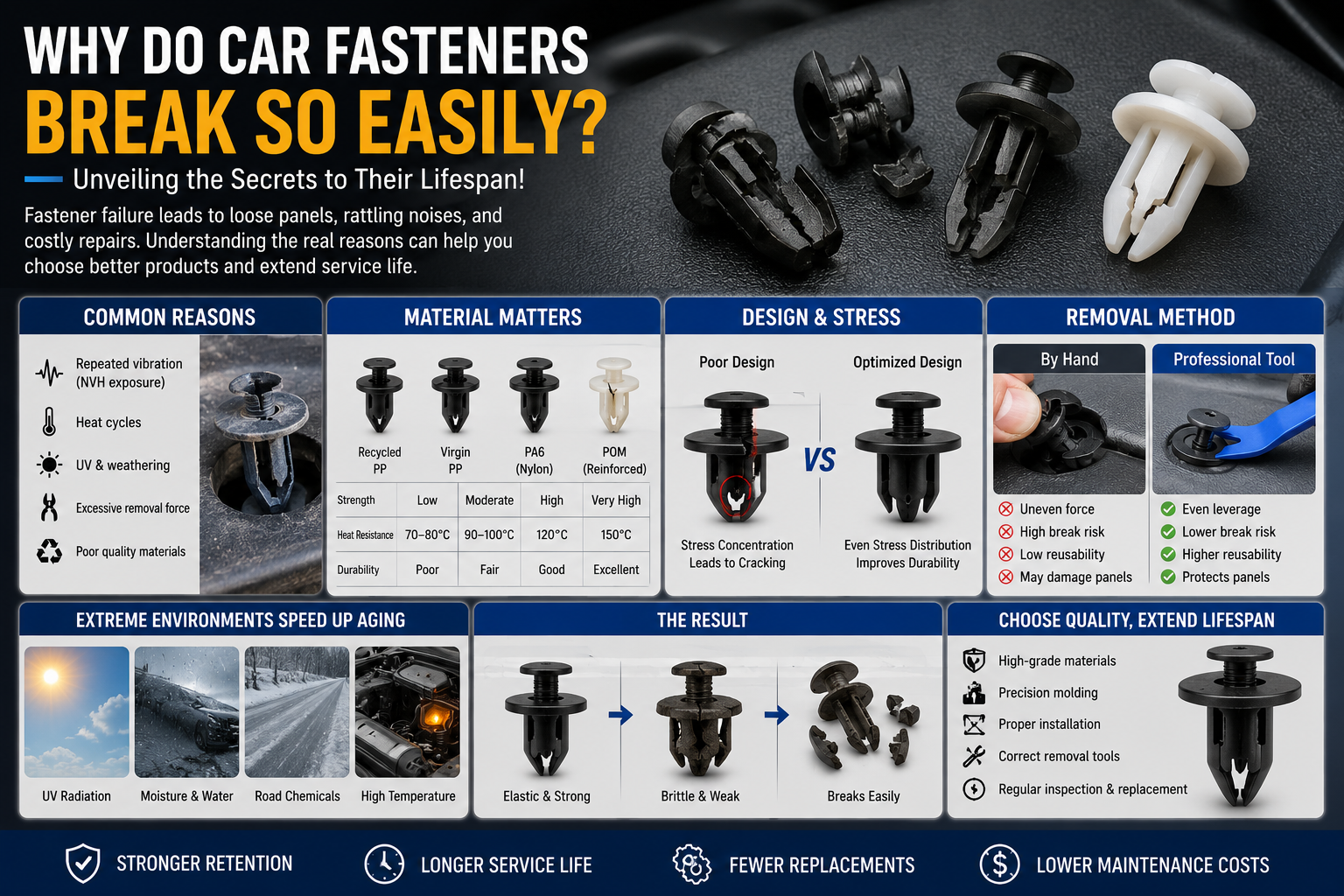
Cracking or deformation under extreme temperatures.
-
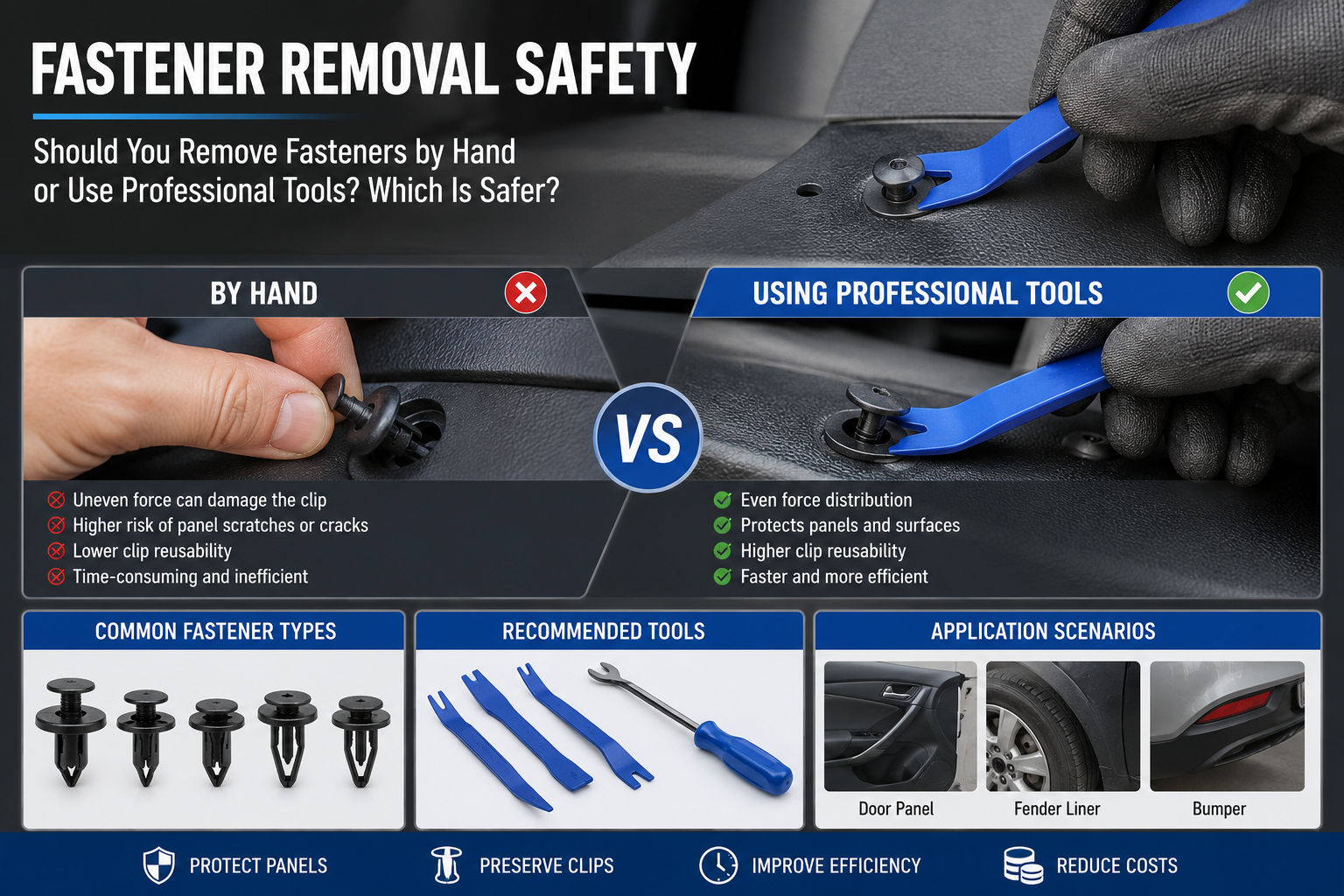
Complex disassembly that leads to damaged interiors.
-
Material fatigue after long-term vibration exposure.
These small but significant issues affect production speed, interior comfort, and overall vehicle longevity—creating direct cost impacts for OEMs and distributors.
Engineering Principles Behind Automotive Clip Design
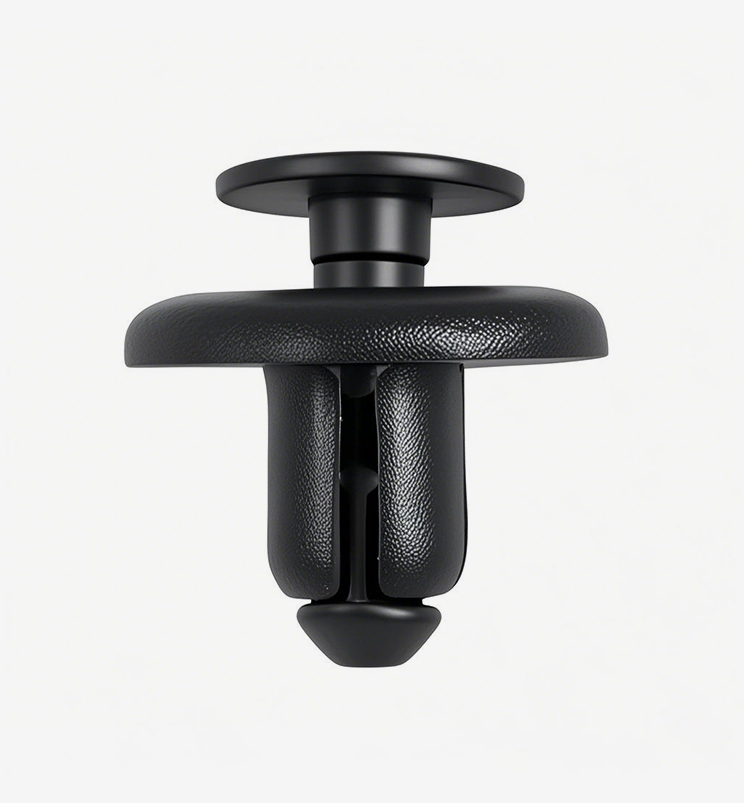
Automotive clips serve as both mechanical fasteners and acoustic dampers. Their design must balance precision fit, mechanical resilience, and environmental durability.
| Design Element | Technical Purpose | Manufacturing Approach |
|---|---|---|
| Retention Ribs | Maintain constant pressure | Molded with ±0.02 mm tolerance |
| Elastic Wings | Enable flexible engagement | High-performance POM and PA6 |
| Damping Layer | Reduce vibration noise | Integrated rubberized surface |
| Locking Tabs | Prevent accidental release | Dual-lock configuration |
These engineering choices ensure stability across interior panels, doors, dashboards, and wheel arch assemblies.
Comparing Common Plastic Materials Used in Car Clips
| Material | Strength | Heat Resistance | Flexibility | Recommended Use |
|---|---|---|---|---|
| PA6 (Nylon 6) | High | Excellent | Medium | Structural and under-hood clips |
| POM (Acetal) | Medium | Good | Excellent | Dashboard and interior clips |
| PP (Polypropylene) | Medium | Fair | High | Trim and lining clips |
| ABS | Good | Moderate | Moderate | Visible panels with aesthetic coating |
By combining UV stabilizers and anti-aging additives, QEEPEI enhances clip lifespan and maintains flexibility under harsh automotive conditions.
Advanced Manufacturing Capabilities
QEEPEI integrates precision injection molding with advanced inspection processes to ensure OEM compliance:
-
Multi-cavity molds for consistent batch production.
-
Automatic dimensional scanning to detect micro-deformations.
-
Ultrasonic welding for hybrid clips (plastic + rubber).
-
Salt-spray and heat-aging tests for durability verification.
This production system guarantees tight tolerances and superior surface quality—critical for automotive manufacturers targeting zero-defect assembly.
Key Advantages of Choosing QEEPEI
| Advantage | Technical Value | End-User Impact |
|---|---|---|
| Tight Dimensional Control | ±0.02 mm precision molding | Perfect fit with no gaps |
| Material Customization | PP, PA6, POM, ABS, and blends | Meets different environmental needs |
| OEM Mold Support | Custom tooling in 7–10 days | Flexible for new car models |
| Noise Reduction Design | Rubber damping and fit tension | Quieter cabin interiors |
| High Productivity | 24-hour automated production | Stable global supply |
These features make QEEPEI a trusted partner for automotive brands, parts distributors, and assembly facilities.
Real-World Applications and Scenarios
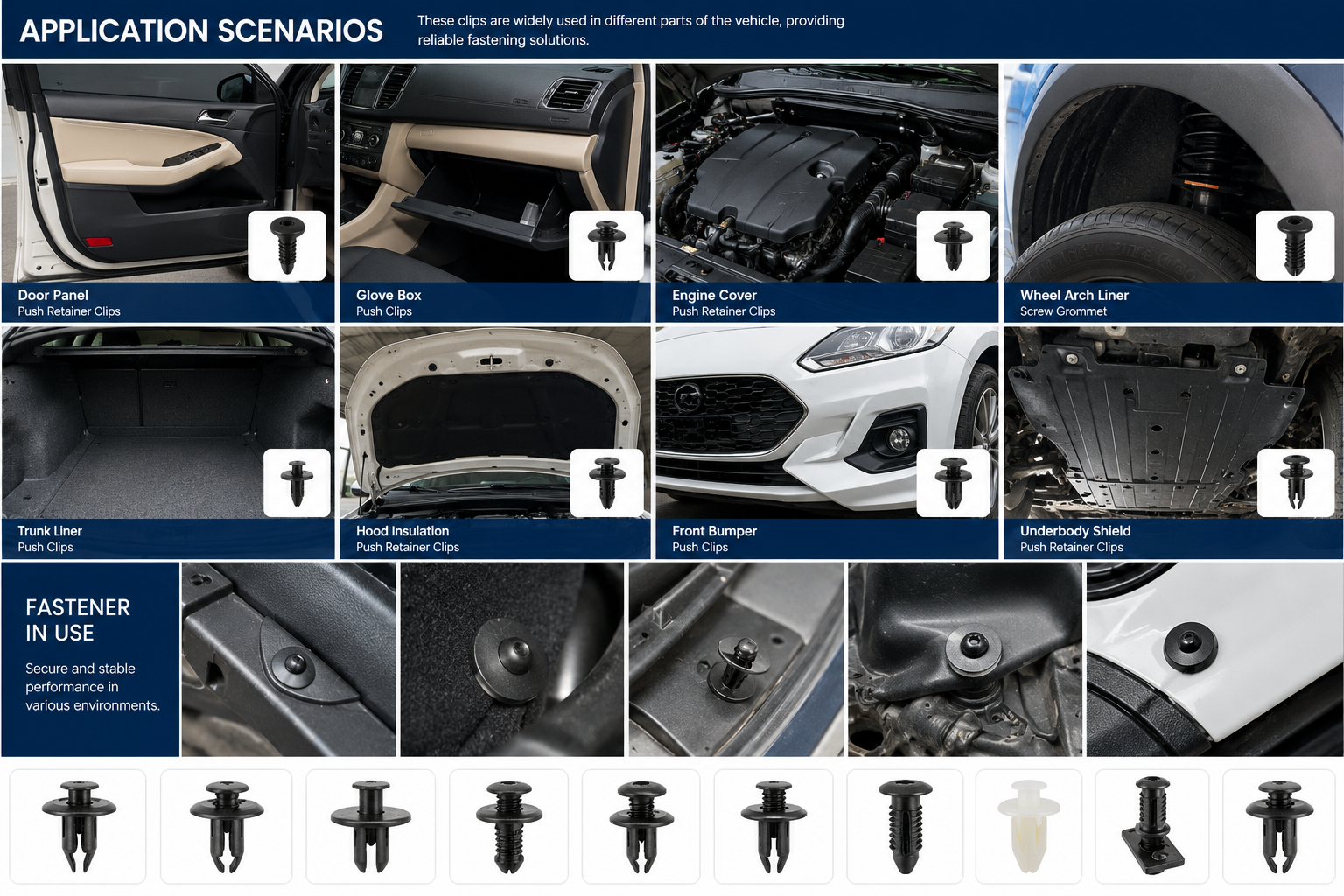
Plastic clips are used throughout the vehicle body:
-
Door panels and trims — to prevent vibration between metal and plastic interfaces.
-
Dashboard assemblies — for precise positioning and silent locking.
-
Wheel arch liners and fenders — protecting structural integrity under movement.
-
Underbody and hood insulation — heat-resistant clips to withstand engine environments.
The right clip design not only improves assembly quality but also supports easier aftersales maintenance.
Selecting the Right Clip Type for Your Vehicle Model
When selecting clips, different applications call for specific features:
-
Sedans and passenger cars → lightweight, noise-absorbing PP or POM clips.
-
SUVs and off-road vehicles → reinforced nylon for vibration resistance.
-
Electric vehicles (EVs) → low-weight clips with advanced temperature stability.
-
Commercial fleets → reusable, easy-to-install designs for maintenance efficiency.
A professional supplier can help you balance cost, performance, and ease of service based on vehicle type and usage conditions.
Frequently Asked Questions
Q1: Are your clips suitable for both OEM and aftermarket use?
Yes. All clips are tested for compatibility with OEM fitment standards and widely used in global aftermarket sectors.
Q2: What certifications do you offer?
Our production process complies with ISO9001 and TS16949 quality standards.
Q3: Can I request custom packaging or labeling?
Yes. QEEPEI supports private labeling and customized export packaging for distributors.
Q4: Do you provide samples for testing?
We offer free samples for initial evaluation with customer shipping accounts.
Building Smarter, Stronger Vehicle Connections
The strength of a car’s assembly depends on the smallest parts that hold it together.
Through material innovation, advanced molding, and strict quality control, QEEPEI delivers fastening systems that meet global automotive standards—quiet, reliable, and cost-efficient.
Discover the full range of automotive clips on the Homepage.
For OEM cooperation or distribution inquiries, contact us here.